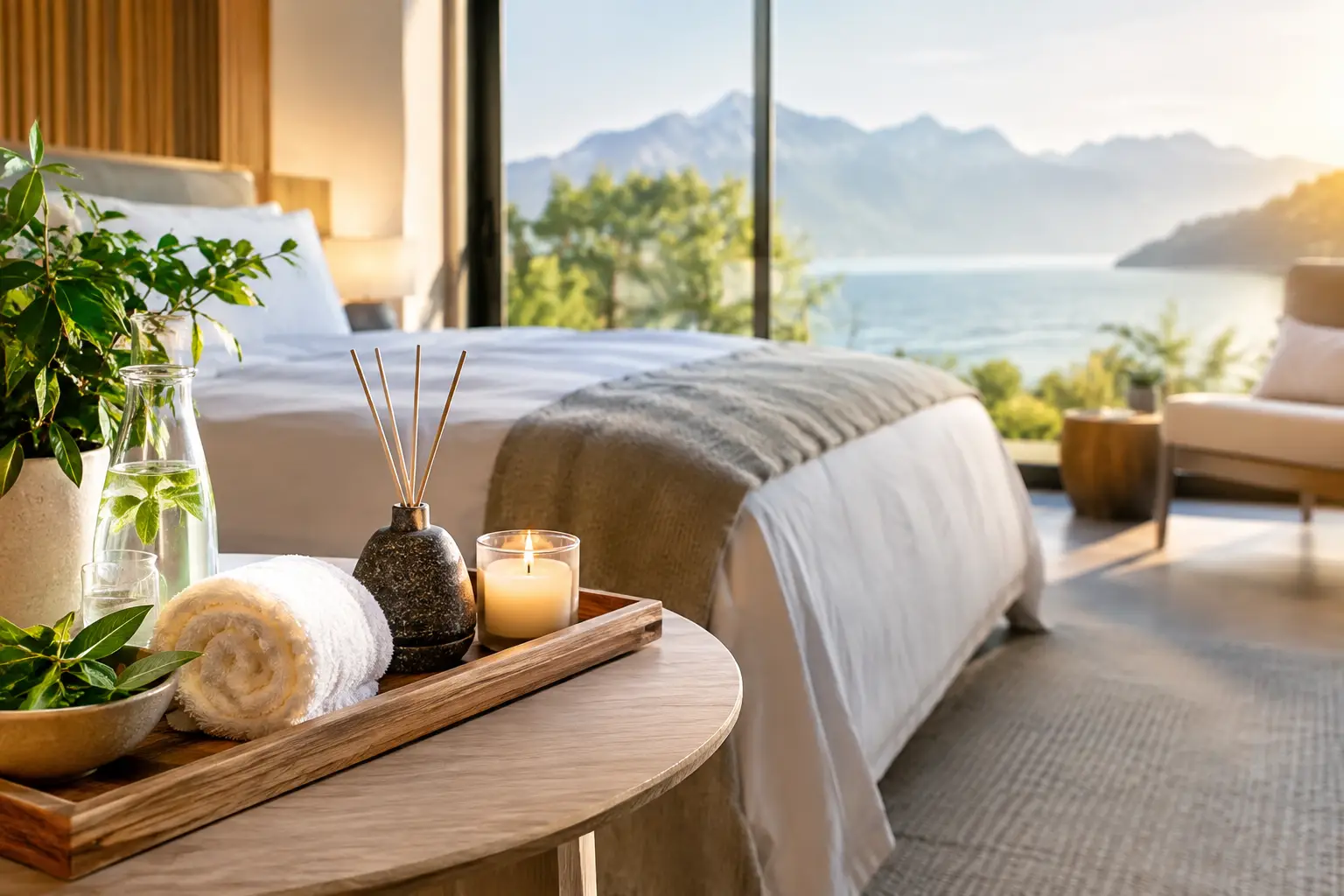
A premium room is no longer defined only by thread count, a rain shower, or a skyline view. Guests increasingly notice how a space makes them feel after a demanding flight, a full day of meetings, or weeks of disrupted routines. Luxury in room wellness solutions answer that expectation by turning the room itself into an active setting for rest, recovery, and renewed energy.
For hotels, residences, recovery centers, and high-performance workplaces, this is a meaningful shift. The strongest wellness experience does not ask people to schedule another appointment or leave their private space. It is available precisely when the body needs it: early in the morning, between meetings, after training, or before sleep.
Why In-Room Wellness Has Become a Luxury Essential
Traditional luxury has been largely visual and service-led. It communicated quality through materials, privacy, and personal attention. Those elements still matter, but discerning guests now expect an additional layer: an environment that supports how they breathe, rest, think, and recover.
This demand is especially clear among frequent travelers and wellness-minded guests. Jet lag, work pressure, unfamiliar surroundings, and constant digital stimulation can make even a beautiful room feel like a temporary place to endure rather than a place to restore. A well-designed wellness environment gives the stay a more practical value. It helps guests transition from activity to recovery without adding effort to their day.
The commercial case is equally clear. A memorable in-room wellness offering can help a hotel differentiate suites, strengthen a premium room category, and create a more meaningful guest experience than decorative upgrades alone. In a private residence or executive setting, it supports a lifestyle centered on preventive health, focused work, and quality recovery.
What Luxury In-Room Wellness Solutions Should Include
The most effective concepts do not simply place several wellness devices in the same room. They create a coherent experience, where environmental quality and regenerative support work together. The room should feel calm, intuitive, and elegant, not clinical or crowded with technology.
A complete approach begins with the atmosphere of the space. Forest Air brings a nature-inspired, light-activated approach to air revitalization designed to make indoor breathing feel more refreshing and supportive. This matters because the quality of the immediate environment shapes how people settle into a room, especially after travel, exertion, or long periods indoors.
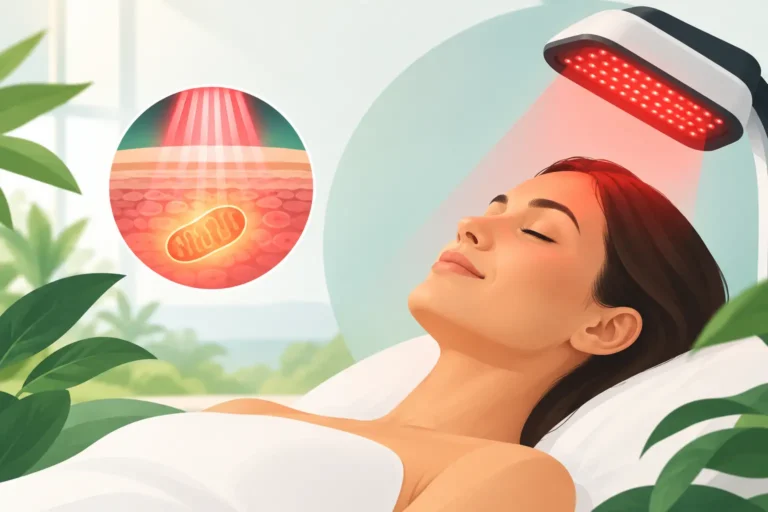
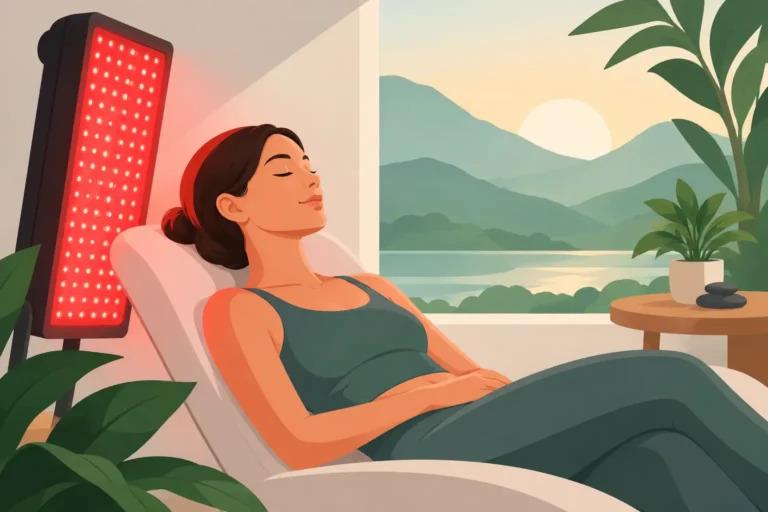
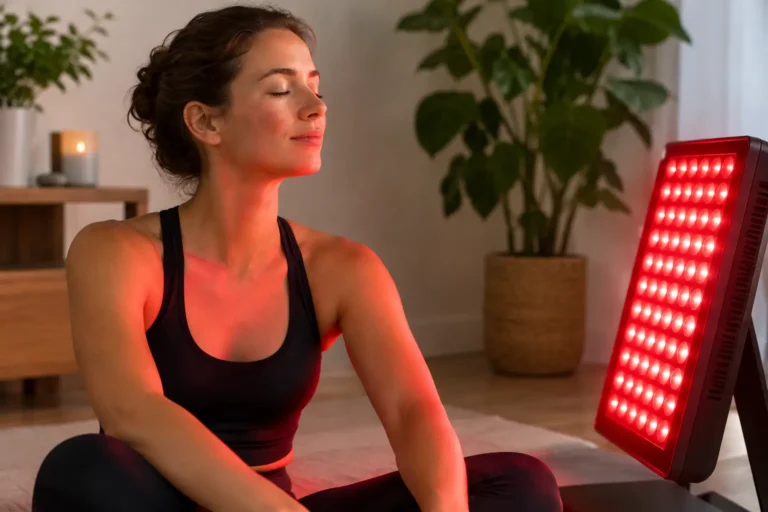
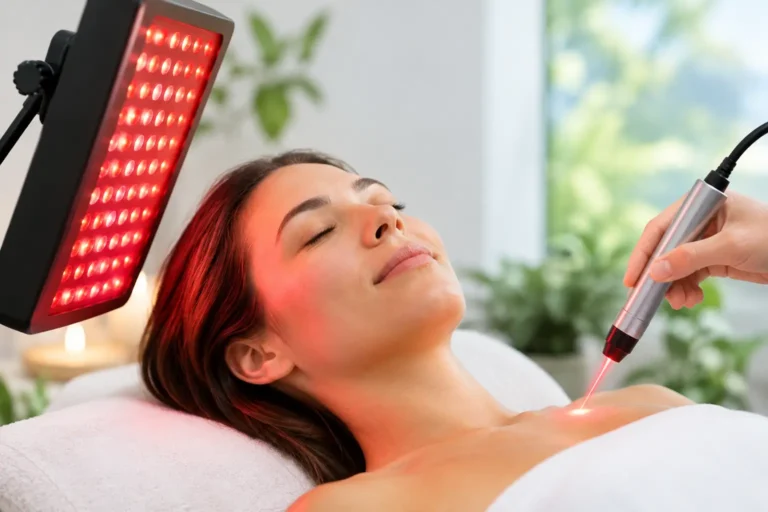
The second component is targeted regeneration. Red and near-infrared photobiomodulation uses specific wavelengths of light that interact with biological processes in the body. It is a non-invasive technology widely used in wellness settings to support recovery, relaxation, skin vitality, and overall physical readiness. When thoughtfully integrated into a private room, it allows guests or residents to use restorative light on their own schedule.
Together, revitalized air and photobiomodulation create more than two separate benefits. They establish a setting that supports calm breathing, reduced tension, and a more intentional recovery ritual. This is where premium wellness becomes practical rather than performative.
The Value of Private, On-Demand Recovery
Privacy is central to the appeal. Some guests enjoy communal spa areas, while others prefer to recover alone, without changing schedules or entering shared facilities. In-room wellness gives people control over timing, duration, and atmosphere.
A business traveler might use red and near-infrared light after a day of presentations to create a calmer transition into the evening. A guest returning from a hike, tennis session, or long flight may value a quiet period of recovery before dinner. At home, a family can establish a restorative evening routine without turning wellness into another commitment outside the house.
That flexibility is also why the technology should be simple to use. Premium does not mean complicated. The best experience has clear controls, thoughtful placement, and guidance that feels reassuring rather than technical. People should understand the purpose in moments, then be free to relax into the experience.
Designing a Wellness Room That Feels Like Luxury
The visual and sensory design of a room determines whether wellness technology is embraced or ignored. Equipment that appears overly medical may suit a clinical setting, but it can disrupt the warmth expected in a luxury suite, spa lounge, or residential bedroom. Integration must respect the architecture, lighting plan, material palette, and intended use of the space.
Lighting should feel purposeful. Red and near-infrared sessions need an area where a user can sit or stand comfortably, while the rest of the room remains suitable for reading, conversation, or sleep preparation. Ambient lighting, natural textures, and uncluttered surfaces help communicate quiet confidence rather than excess.
Placement matters as much as appearance. A wellness zone near a comfortable chair, treatment bed, or relaxation corner encourages regular use. It should not compete with the work desk or be hidden where people will forget it exists. In hotel suites, a clear welcome guide can introduce the room’s wellness features in straightforward language, with practical suggestions for morning, post-travel, and evening use.
The right configuration depends on the property. A boutique hotel may prioritize a signature wellness suite that sets its brand apart. A larger property may introduce selected rooms and measure guest feedback before expanding. A rehabilitation or wellness center may use private recovery rooms to complement professional services. For a home, the focus may be creating a quiet personal sanctuary that serves daily routines, not occasional indulgence.
Health Relevance Without Overpromising
Premium wellness clients are increasingly informed. They want to know how a solution works, but they also recognize exaggerated claims. Credibility comes from explaining the role of each technology with precision.
Nature-inspired air revitalization can support a more pleasant and restorative indoor experience, particularly for people who spend much of their day inside. Red and near-infrared photobiomodulation offers a non-invasive way to support recovery and relaxation. Many users incorporate it into routines aimed at better sleep quality, stress management, physical recovery, and sustained mental focus.
Individual results vary. Wellness technology is not a replacement for medical diagnosis, treatment, sleep hygiene, movement, or professional care when it is needed. Its value lies in creating supportive conditions that are easy to access consistently. For many people, consistency is the missing ingredient: a recovery practice delivers more value when it fits naturally into real life.
This balanced position is particularly important for hospitality and professional partners. Guests should feel informed and cared for, never pressured by promises that belong in a medical setting. Clear education protects trust and elevates the overall experience.
From Amenity to Brand Advantage
Wellness features become commercially powerful when they are treated as part of a property’s identity, not as an isolated add-on. A suite with an integrated recovery environment gives teams a stronger story to tell: this is a place designed not only for staying, but for feeling better while staying.
For hotel operators, that can support premium positioning and create a reason for repeat guests to choose one property over another. For spa and rehabilitation professionals, it can extend the restorative feeling beyond a scheduled treatment. For office managers, a dedicated wellness room may offer employees a more considered way to reset during demanding periods.
Staff education is essential. Front-desk teams, concierge staff, and wellness professionals should be able to explain the experience in a few confident sentences. They do not need to become scientists. They need to communicate who the space is for, when it may be useful, and how to use it comfortably and responsibly.
HealthWise brings this integrated perspective together by combining Forest Air’s light-activated air revitalization with Nircura red and near-infrared photobiomodulation systems. The goal is not to add more technology for its own sake. It is to create refined wellness environments that support everyday breathing, regeneration, and recovery in a form that feels natural in modern life.
The next standard for a luxury room will be felt before it is explained. When a guest sleeps more deeply, settles more quickly, or leaves with greater clarity and energy, the room has delivered something more lasting than comfort: it has made well-being part of the stay.