A hotel guest may have only one night to reset. An executive may have 20 minutes between meetings. A family may want their home to feel less draining at the end of a demanding day. A meaningful indoor wellness technology review must therefore ask more than whether a device looks advanced. It must ask whether the environment helps people breathe, recover, focus, and rest in ways they can actually use.
For premium homes, hospitality settings, wellness centers, and workplaces, the strongest wellness investment is rarely a single feature. It is a considered system that supports the conditions people experience every day: air quality and atmosphere, light exposure, stress load, recovery routines, and ease of use. The technology should feel sophisticated, but the benefit should feel natural.
What Indoor Wellness Technology Should Deliver
Indoor wellness technology sits at the meeting point of preventive health, environmental design, and personal recovery. Some solutions focus on a single outcome, such as relaxation or light exposure. Others aim to create a more complete wellness environment by combining complementary modalities.
The difference matters. A standalone device can be useful, but it may depend on a user having the time, knowledge, and motivation to build a regular ritual around it. An integrated wellness space makes healthy behavior easier by bringing supportive technologies into the places where people already sleep, work, travel, and recover.
For a hotel, that can mean offering more than visual luxury. It can mean creating a room that supports a calmer arrival, better rest, and a more restored departure. For a spa or rehabilitation center, it can mean providing a non-invasive recovery experience that complements professional care. For an office, it can mean supporting concentration and decompression without turning the workplace into a clinic.
The right solution depends on the setting. A private residence may prioritize quiet operation and daily simplicity, while a business may place greater value on durability, staff training, client experience, and a clear return on investment.
Indoor Wellness Technology Review: The Criteria That Count
A premium wellness system should be assessed through practical criteria, not broad promises. The first is scientific plausibility. The technology should have a clear mechanism and be presented with realistic language about what it is designed to support. Wellness technologies can contribute to recovery, relaxation, sleep quality, and daily vitality, but they should not be positioned as replacements for medical diagnosis or treatment.
The second is quality of integration. People do not live their lives in separate wellness categories. Stress can affect sleep, sleep can affect focus, and the quality of an indoor space can influence how easily someone settles into a restorative routine. A system that addresses both the surrounding environment and the body’s recovery needs has a stronger role in everyday wellness than one that treats each concern in isolation.
The third is usability. The most elegant technology is wasted if it is difficult to operate, disruptive to install, or too demanding for guests and staff. Controls should be intuitive. Sessions should fit naturally into daily schedules. The visual design should complement a refined interior rather than compete with it.
Finally, evaluate the experience itself. Does the technology create a sense of calm and care? Does it give a hotel, wellness center, or home a distinctive but credible health-focused identity? Premium wellness is not about adding more equipment to a room. It is about making the room feel more supportive.
Two Complementary Pathways: Environment and Regeneration
A particularly compelling approach combines nature-inspired air revitalization with red and near-infrared photobiomodulation. These technologies have different roles, which is exactly why they can work well together.
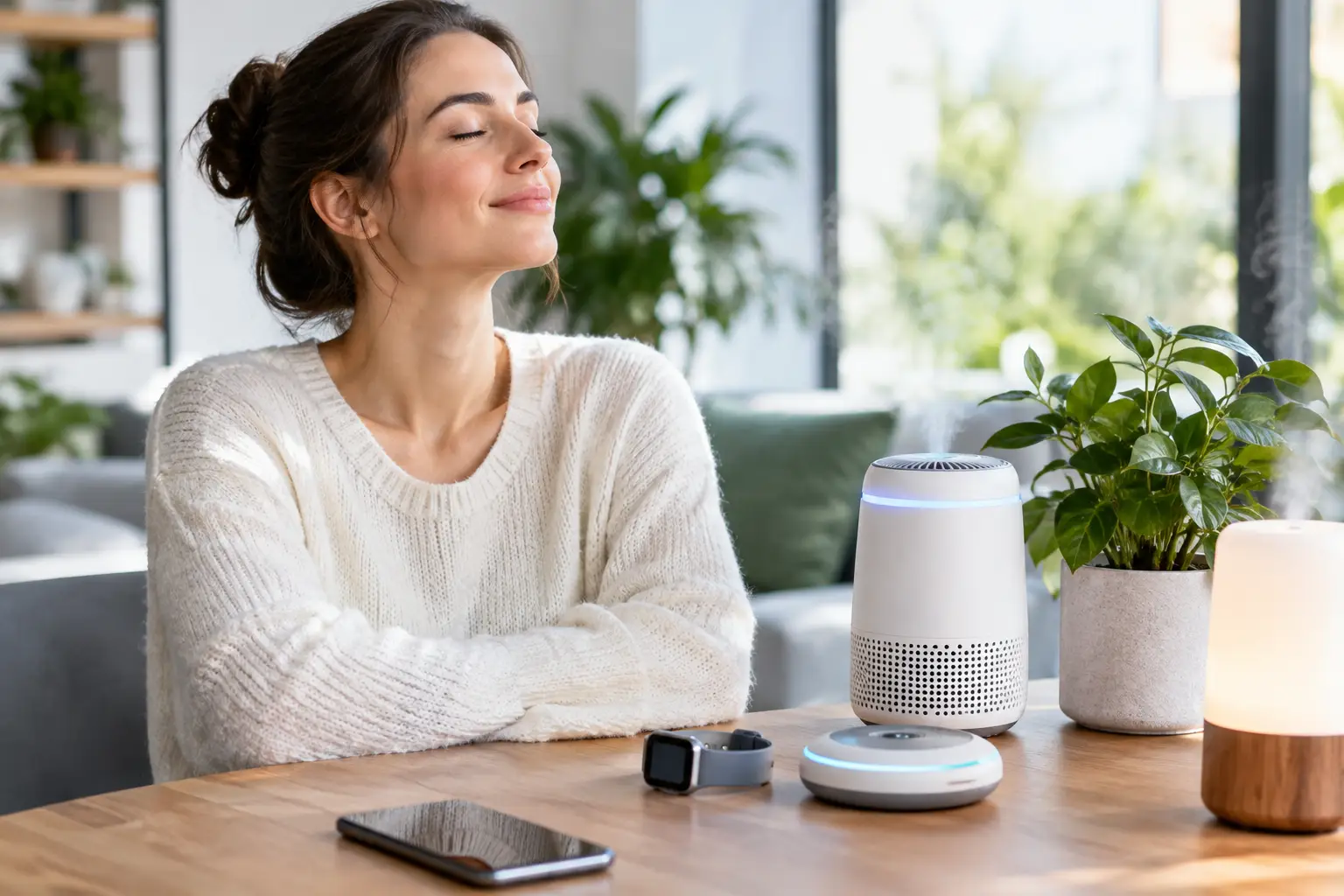
Forest Air uses light-activated air breathing technology inspired by natural processes. Its role is to help shape a more revitalizing indoor atmosphere, particularly valuable in spaces where people spend long hours or arrive seeking rest. The experience is designed around the quality of the environment itself, not simply the presence of another wellness device.
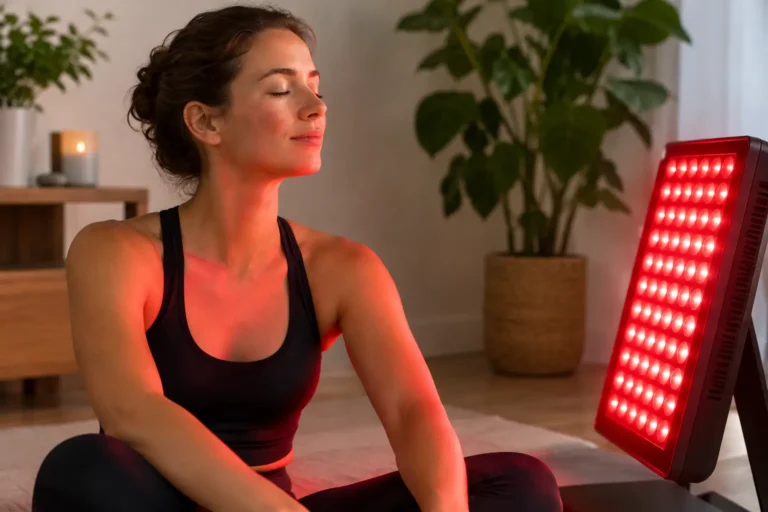
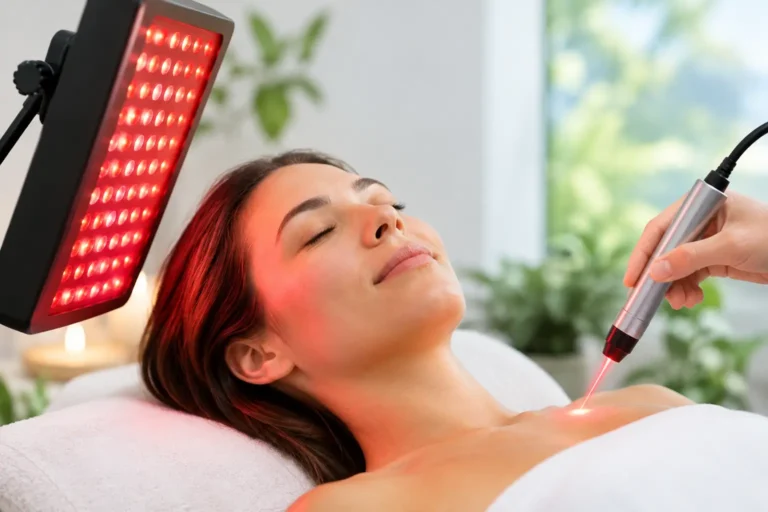
Nircura uses red and near-infrared photobiomodulation, a non-invasive light-based approach often incorporated into routines centered on regeneration and recovery. Red and near-infrared wavelengths are studied for their interaction with cellular processes. In a wellness setting, the practical value is a focused, accessible session that can complement rest, movement, and other recovery habits.
Together, these modalities address two sides of the same daily need. One supports the environment around the person. The other supports a dedicated moment for the person to pause and recover. That combination is especially relevant for people managing demanding work schedules, frequent travel, high training loads, or the cumulative effects of modern indoor living.
HealthWise brings these technologies into one coherent concept, helping partners and private clients create wellness spaces that are functional, elegant, and easy to understand.
Where This Approach Creates the Most Value
In hospitality, integrated indoor wellness technology can turn a standard stay into a more memorable restorative experience. The value is not limited to a dedicated spa floor. A thoughtfully equipped room, suite, or private wellness area can give guests a practical way to decompress after a flight, prepare for sleep, or begin the day with greater clarity. For high-end properties, that differentiation can be meaningful because travelers increasingly recognize recovery as part of the travel experience.
In wellness and rehabilitation environments, the priority is professional application. Practitioners need technology that fits a structured client journey, can be explained clearly, and supports a premium standard of care. Training is essential here. Staff should understand what the technology does, how to introduce it responsibly, and how to make it part of a broader wellness protocol rather than a disconnected add-on.
For offices, the strongest case is often mental performance and stress management. Long periods of screen time, limited exposure to restorative routines, and constant task switching can leave people mentally fatigued. A designated wellness area can create a practical reset point during the day. It will not solve poor workplace culture, excessive workloads, or lack of sleep, but it can be one valuable element of a more thoughtful work environment.
At home, the benefit is continuity. Instead of reserving recovery for occasional appointments, individuals and families can create a repeatable ritual in their own space. This is especially appealing to people who value longevity, natural wellness methods, and the freedom to use their wellness tools on their own schedule.
Questions to Ask Before You Invest
Before selecting a system, start with the people who will use it and the outcomes that matter most. Is the priority guest recovery, a distinctive spa service, employee well-being, respiratory comfort, or a refined home sanctuary? One system may serve several goals, but having a primary purpose makes design and implementation more effective.
Consider the physical space next. A hotel room, office lounge, treatment room, and private bedroom require different layouts, operating expectations, and levels of guidance. The technology should enhance the space without creating visual clutter or an overly clinical mood.
Ask about education and support as well. High-value wellness technology is more than hardware. Partners benefit from guidance on placement, client communication, daily operation, and creating a service model around the experience. This is particularly important for businesses that want to offer a differentiated wellness service rather than simply install equipment.
It is also wise to define success in human terms. Guest feedback, repeat visits, session participation, perceived relaxation, and staff engagement can reveal more about the value of a wellness environment than a long list of technical specifications. Technical quality matters, but people invest in the way a space makes them feel and function.
A More Complete Standard for Indoor Wellness
The future of premium wellness interiors is not a room crowded with disconnected gadgets. It is a calmer, more intentional standard in which environmental quality and personal regeneration belong together. The most successful concepts make advanced technology feel approachable, while respecting that wellness is built through consistent habits, not one dramatic session.
Choose technology that earns a place in daily life: quiet enough for rest, refined enough for premium interiors, credible enough for professional settings, and simple enough to become part of a real routine. When a space supports people before they feel depleted, wellness becomes less of an occasional escape and more of a practical way to live well.