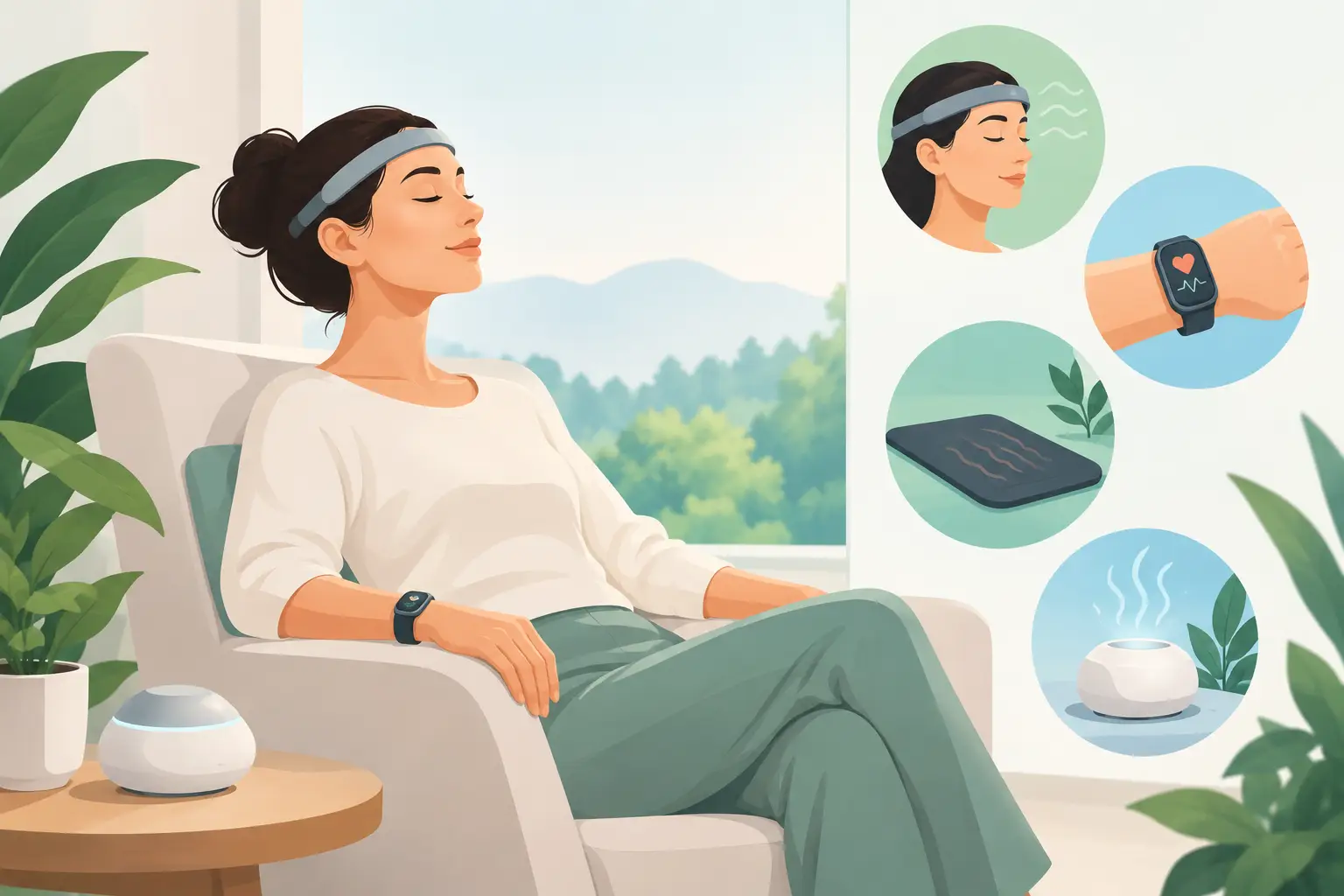
A hotel room can look immaculate and still leave a guest feeling depleted. An office can be beautifully designed yet make sustained concentration feel unnecessarily difficult. The difference is often not another luxury finish or a louder promise. It is the quality of the environment and whether it actively supports recovery. Noninvasive wellness technologies address that gap by bringing carefully designed light, air revitalization, and restorative practices into the places where people already live, work, travel, and reset.
For people who value preventive health, the appeal is clear: meaningful support without needles, medication, lengthy appointments, or a major disruption to the day. The goal is not to turn every room into a clinic. It is to create an environment that feels naturally calming while giving the body better conditions for rest, focus, and regeneration.
What Noninvasive Wellness Technologies Really Mean
Noninvasive wellness technologies are systems that support well-being without breaking the skin, requiring surgery, or demanding recovery time. They may use light, sound, temperature, movement, or environmental design to influence how a person feels and functions. Their value lies in consistent, practical use rather than a single dramatic intervention.
This category includes a wide range of options, so quality and purpose matter. A device designed for visual ambiance is not automatically a therapeutic system, and a wellness trend is not automatically supported by credible principles. The strongest solutions connect a clear technology with a clear use case: helping people create calmer routines, improve the conditions for restorative sleep, support physical recovery, or maintain focus during demanding days.
For premium homes, hospitality settings, wellness centers, and rehabilitation environments, the most compelling approach is integrated rather than fragmented. People do not experience light, air, stress, and rest as separate categories. They experience a room as a whole.
Why the Environment Has Become a Wellness Tool
Modern routines place a constant load on the nervous system. Long screen exposure, business travel, irregular sleep, closed indoor spaces, and limited time outdoors can make recovery feel like another task to schedule. A well-designed wellness environment makes support more available precisely because it is already present.
This is especially relevant in hotels. Guests may arrive after flights, meetings, unfamiliar meals, and poor sleep. A room that encourages a calm transition into the evening can become part of the experience guests remember. For office managers, the priority may be alertness, comfort, and a more considered setting for focused work. Families may be looking for an easier way to make recovery and relaxation part of home life.
The best noninvasive systems do not ask users to become wellness experts. They work quietly within daily rhythms: a restorative session after training, a calming pre-sleep routine, a focused pause between meetings, or a revitalized room environment during seasonal discomfort.
Light-Based Regeneration and Photobiomodulation
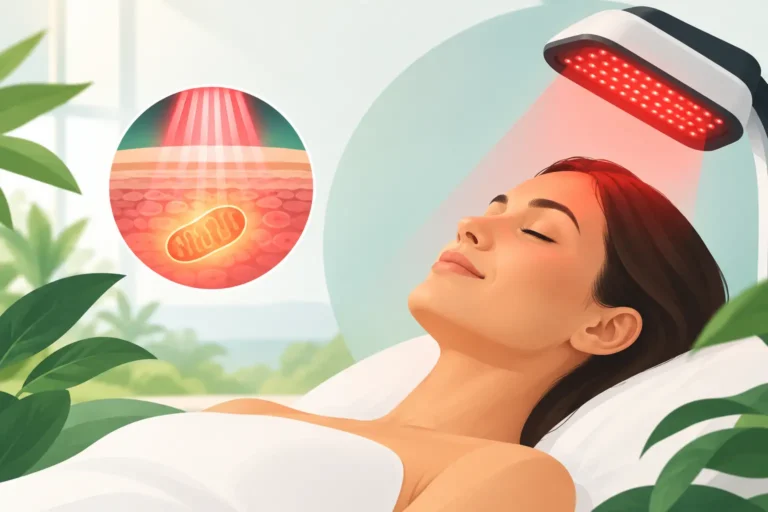
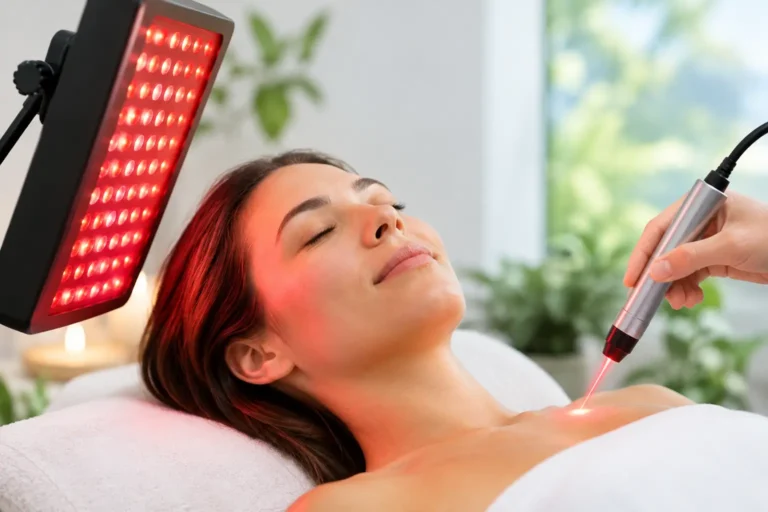
Red and near-infrared photobiomodulation is one of the most recognized technologies in contemporary recovery-focused wellness. It uses specific wavelengths of light intended to interact with biological processes at the cellular level. In practical terms, sessions are designed to support regeneration, relaxation, and a sense of readiness after physical or mental strain.
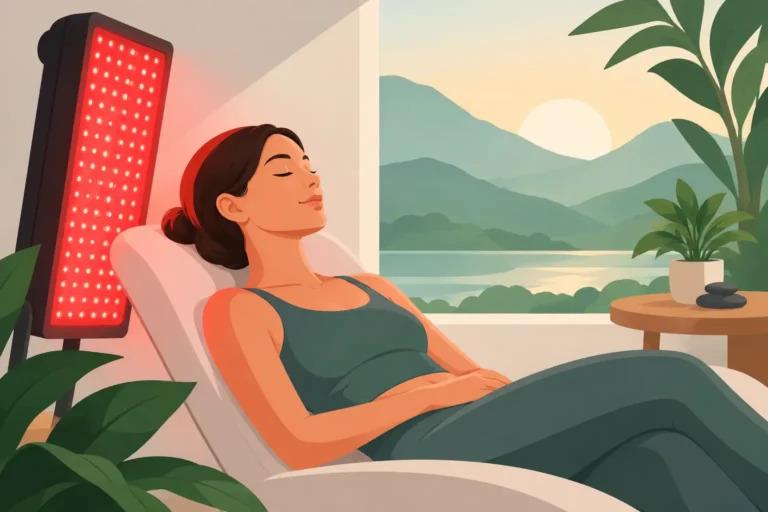
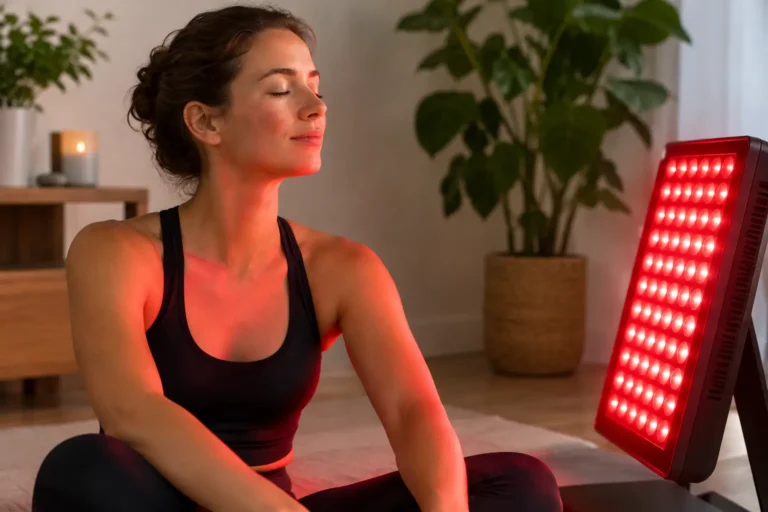
Red light is generally used for more surface-level applications, while near-infrared light reaches deeper into tissue. The experience is noninvasive and typically simple: the user sits or stands at an appropriate distance for a defined session. There is no downtime, which makes it suitable for busy professionals, guests, athletes, and people building consistent recovery habits.
However, photobiomodulation is not a replacement for medical care, sleep, nutrition, or movement. Results vary with the system, the protocol, individual needs, and consistency of use. Anyone with a medical condition, photosensitivity, or questions about medication should consult an appropriate healthcare professional before beginning a light-based routine.
In a professional setting, this clarity builds trust. A premium wellness offering should never rely on exaggerated promises. It should explain what the technology is designed to support and provide a thoughtful, safe experience around it.
A practical fit for demanding schedules
The greatest strength of photobiomodulation is that it can fit into the margins of a busy day. A short session can become part of a morning routine, a post-workout recovery period, or an evening wind-down. For hotels, it can elevate an in-room wellness concept beyond conventional amenities. For spas and rehabilitation centers, it can complement existing services with a modern, easy-to-understand modality.
Air, Breathing, and the Feeling of Restoration
Breathing is automatic, but the environment in which we breathe shapes how a space feels. Stale, enclosed rooms can contribute to a sense of fatigue and discomfort, particularly when people spend extended periods indoors. Nature-inspired air revitalization brings attention back to an often overlooked part of wellness design: creating an atmosphere that feels fresher, lighter, and more restorative.
Forest Air’s light-activated approach is built around this principle. It is not simply about adding another object to a room. It is about supporting a more intentional relationship between indoor space, breathing, and daily well-being. When integrated with regenerative light technology, the result is a more complete experience: an environment that supports calm around the user and a restorative tool that supports their personal routine.
This combination is especially relevant for people who experience seasonal respiratory sensitivity or spend much of the day in indoor business settings. While no wellness technology should be presented as a cure for respiratory or allergic conditions, an environment designed with breathing comfort in mind can be a meaningful part of an overall wellness strategy.
How to Choose Noninvasive Wellness Technologies Wisely
The question is not which technology is most fashionable. It is which system matches the needs of the people using the space. A family may prioritize a peaceful, restorative home routine. A boutique hotel may focus on memorable guest recovery. A wellness professional may need dependable equipment, training, and a clear way to explain benefits to clients.
Start with the intended outcome. Is the priority better wind-down routines, physical recovery, focused work, guest differentiation, or a more health-conscious environment? Then consider how often the system will realistically be used. The most advanced technology delivers little value if it feels complicated, intrusive, or poorly placed.
Design also matters. In premium environments, wellness equipment should feel integrated rather than clinical. It should complement the architecture, respect privacy, and be intuitive for first-time users. This is where a complete concept has an advantage over a collection of disconnected devices.
Finally, ask about education and protocols. Clear guidance on session duration, placement, comfort, and appropriate expectations is part of the product experience. For B2B partners, professional training is not an extra. It is what allows staff to introduce the technology with confidence and consistency.
A More Complete Model of Everyday Wellness
HealthWise brings together Forest Air’s nature-inspired, light-activated air revitalization and Nircura’s red and near-infrared photobiomodulation systems to create a single wellness environment. The concept is designed for modern living, where people want credible support for recovery without adding complexity to already full schedules.
The combination matters because well-being is rarely one-dimensional. Better recovery is supported by the ritual of taking time to pause, the sensory quality of the room, and technology that is practical enough to use regularly. A mobile wellness or spa concept can bring that experience into hotel rooms, professional settings, and private spaces without requiring structural changes or extensive operational demands.
For business owners, this creates a meaningful point of differentiation. Guests and clients increasingly recognize the value of wellness, but they are discerning. They want experiences that feel elegant, useful, and grounded in a coherent purpose. A thoughtfully designed environment communicates care before a session even begins.
Wellness That Earns a Place in Real Life
Noninvasive technology is most valuable when it becomes part of a sustainable rhythm, not another abandoned intention. A five-minute transition after work, a recovery session after exercise, or a calmer hotel evening can all be small choices with cumulative value.
The future of premium wellness is not more noise, more devices, or more complicated routines. It is quieter, more integrated support for how people actually live. Choose technologies that respect that reality, and the space around you can become an active partner in feeling more restored.