A demanding workweek, disrupted sleep, travel, training, and constant screen exposure can leave the body feeling as though it never receives a true recovery window. That is where many people ask: what is photobiomodulation therapy, and can it be a practical part of a modern wellness routine? Often called PBM or red light therapy, it uses specific wavelengths of red and near-infrared light to support biological processes associated with cellular energy, recovery, and comfort.
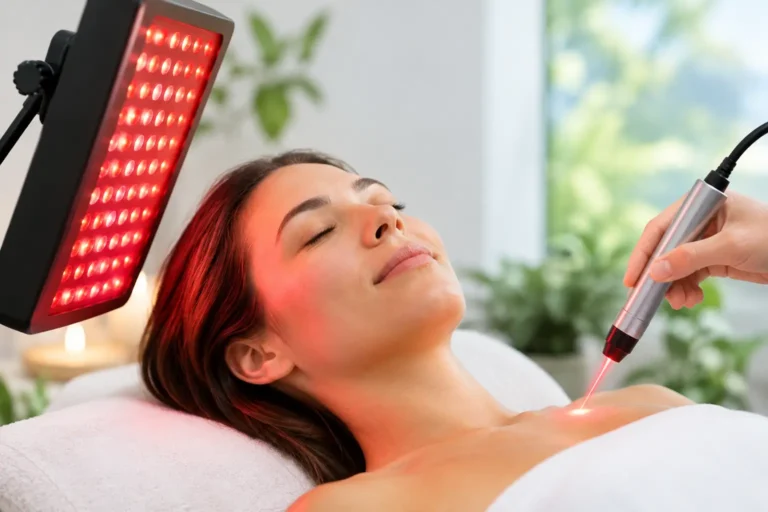
Unlike approaches that rely on heat, needles, medication, or downtime, photobiomodulation is non-invasive. A person simply sits or stands near a purpose-built light device for a defined session. The experience is quiet, straightforward, and designed to fit into a home, hotel, wellness center, rehabilitation setting, or workplace recovery space.
What Is Photobiomodulation Therapy?
Photobiomodulation therapy is the controlled use of low-level red and near-infrared light to influence how cells respond to light energy. The word may sound technical, but the principle is clear: carefully selected wavelengths reach tissue and are absorbed by light-sensitive components within cells.
Red light generally works more superficially, making it relevant for the skin and tissues closer to the surface. Near-infrared light has a longer wavelength and can reach deeper tissue than red light. Premium PBM systems often combine both ranges because recovery needs are not limited to one layer of the body.
The goal is not to force the body into an unnatural state. Rather, PBM is intended to support the body’s own capacity to manage energy, adapt to stress, and recover. Results can vary considerably based on the individual, the concern being addressed, the device quality, the wavelength, the dose, and the consistency of use.
How Red and Near-Infrared Light Work
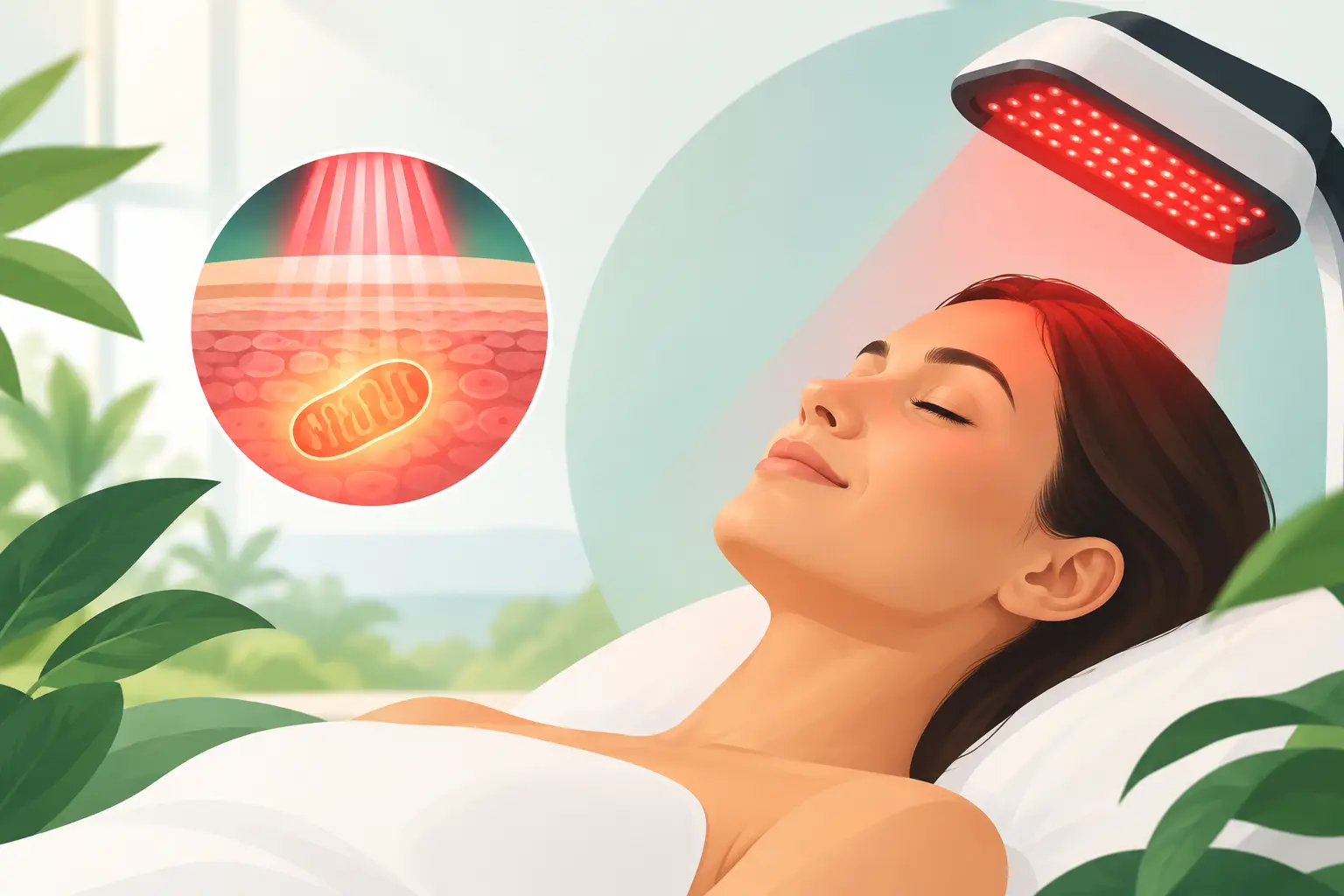
At the cellular level, one proposed mechanism involves mitochondria, often described as the energy-producing structures inside cells. Specific wavelengths of light may be absorbed by molecules involved in mitochondrial function, including cytochrome c oxidase. This interaction is thought to influence cellular signaling and the production of ATP, a molecule cells use for energy.
Research also explores PBM’s effects on blood flow, oxidative stress signaling, and inflammatory pathways. These mechanisms help explain why photobiomodulation is being studied and used across recovery, musculoskeletal comfort, skin-focused care, and performance settings. Still, a plausible biological mechanism is not the same as a guaranteed clinical outcome. The strength of evidence differs by application, protocol, and population.
This is why the quality of the system and the treatment plan matter. More light is not automatically better. PBM follows a dose-response principle: too little energy may not produce a meaningful effect, while too much may be less useful or, in some cases, counterproductive. Appropriate wavelength, irradiance, treatment distance, and session duration all shape the dose delivered to the body.
Heat Is Not the Main Mechanism
A common misunderstanding is that PBM works like a heat lamp. It does not. A well-designed photobiomodulation session may feel gently warm depending on the device, but its primary purpose is light delivery rather than deep heating. That distinction matters when comparing PBM with sauna, infrared heat, or other thermal wellness experiences.
Potential Benefits of Photobiomodulation Therapy
People often incorporate PBM into a wider wellness plan because it is convenient, non-invasive, and compatible with daily life. Research and clinical use have explored several potential benefits, although no responsible provider should present them as universal promises.
For active adults, PBM may support post-exercise recovery and temporary muscle comfort. A short session can become a useful transition between training, travel, and the next day’s commitments. For people managing desk-based work, it may complement movement, ergonomic improvements, and recovery habits when the neck, shoulders, or back feel overworked.
In skin-focused settings, red light is commonly used to support a more refined-looking complexion and the appearance of skin vitality. Near-infrared wavelengths are also valued in broader recovery protocols due to their deeper reach. Some people report improved relaxation and sleep quality when sessions become part of an evening routine, especially when they also reduce stimulating light and screens before bed.
The appeal for wellness professionals and hospitality operators is equally practical. PBM can add a high-value recovery option without requiring a complicated service ritual. Guests and clients can use it before a treatment, after travel, following a workout, or as a quiet moment of restoration between meetings.
Where PBM Fits in Everyday Wellness
Photobiomodulation is most useful when it is treated as one part of a well-designed environment, not as a substitute for the fundamentals. It cannot replace medical care, sleep, nutrition, movement, or a clinician’s assessment of persistent pain, injury, or illness. Its role is supportive.
At home, this may look like a 10- to 20-minute session built into a morning or evening routine. In an office, a designated recovery corner can give employees a practical way to reset during periods of high demand. In hotels, a private in-room or spa-based session can offer travelers a more purposeful wellness experience than generic relaxation alone.
HealthWise brings this environmental perspective forward by pairing advanced red and near-infrared photobiomodulation with nature-inspired, light-activated air revitalization. The idea is simple: recovery is shaped both by the tools used on the body and by the quality of the space in which people rest, work, and breathe.
Choosing a Photobiomodulation Device Wisely
Not every red light device is built to deliver meaningful photobiomodulation. Color alone does not determine performance. A serious evaluation should consider the wavelengths offered, the irradiance at a realistic treatment distance, coverage area, session controls, build quality, and whether the manufacturer provides clear technical specifications.
For a private user, convenience and coverage may be the priority. A compact panel can suit targeted sessions for the face, joints, or a specific muscle group, while a larger system may be more appropriate for full-body recovery. For a spa, rehabilitation center, or hotel, durability, hygiene, staff training, client flow, and the quality of the overall experience should carry equal weight.
It is also wise to be cautious with broad claims. Terms such as medical-grade or clinical-strength can be used loosely. Ask what wavelengths the device emits, how output is measured, what treatment protocols are recommended, and whether the provider can explain realistic expectations without overstating the science.
Safety and Sensible Use
PBM is generally considered well tolerated when appropriate devices and protocols are used, but it is not a one-size-fits-all practice. Eye protection may be appropriate depending on the device, brightness, and treatment area. Users should follow manufacturer instructions rather than extending sessions on the assumption that longer must be better.
People with a known or suspected cancer, those who are pregnant, individuals with photosensitivity conditions, and anyone taking photosensitizing medications should speak with a qualified healthcare professional before beginning treatment. The same applies to people with unexplained symptoms, active injuries, or conditions requiring medical supervision.
A wellness device should never delay a diagnosis or replace a treatment plan prescribed by a clinician. The most credible approach to photobiomodulation is informed, measured, and personalized.
A More Intentional Way to Recover
Modern wellness is moving beyond occasional indulgence toward environments that make restoration easier to practice. Photobiomodulation therapy belongs in that shift because it can be integrated without disrupting a busy schedule or demanding a dramatic lifestyle change.
The best starting point is not to chase the strongest claim or the longest session. Choose a thoughtfully designed system, use it consistently, and pair it with the basics that allow the body to recover well. A few intentional minutes of light, in a space designed for calm, can become a meaningful signal that recovery deserves a place in the day.
By HealthWise Team