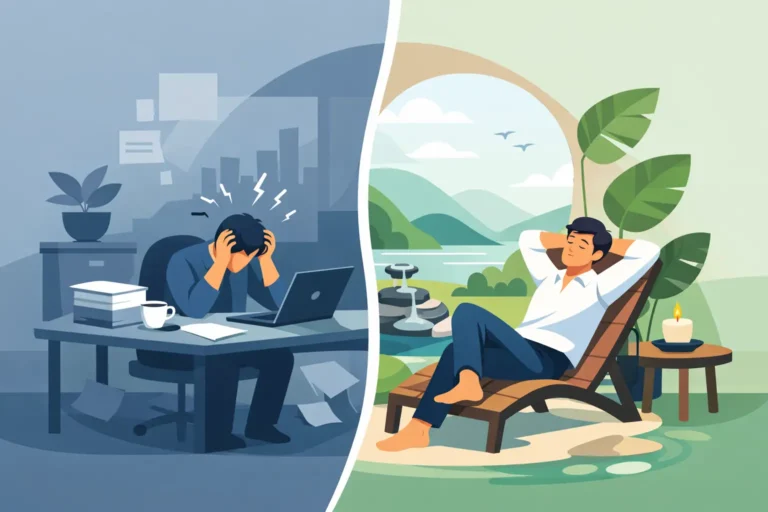
A guest can forgive a slow elevator more easily than a night of fragmented sleep before an early meeting. That is why hotel wellness innovation trends are shifting from occasional spa indulgence to practical, room-level support for rest, recovery, focus, and comfort. The most compelling hotel concepts no longer ask guests to schedule wellness. They make the environment itself work harder from check-in to checkout.
For hotels, this is not a decorative trend. It is a response to a changed guest expectation: premium hospitality should help people feel better when they leave than when they arrived. The opportunity lies in creating wellness environments that are elegant, intuitive, and credible without turning every room into a clinical setting.
Why Hotel Wellness Innovation Trends Are Moving In-Room
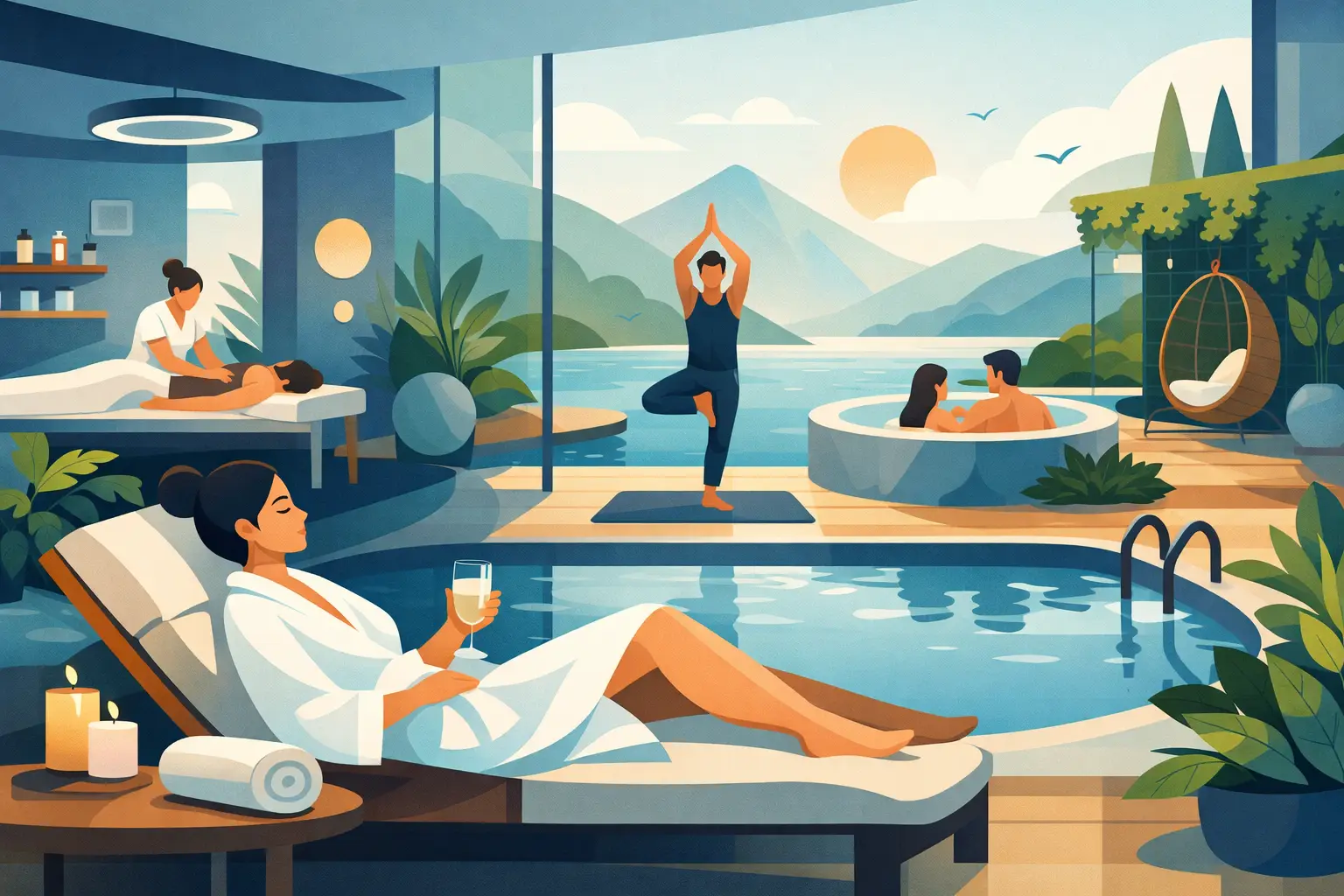
The traditional hotel spa remains valuable, especially for destination resorts and properties built around longer stays. Yet it serves only a portion of guests, at a specific time, in a separate location. Business travelers may arrive late, families may not have time for appointments, and guests on a two-night city break may prioritize convenience over a treatment menu.
The room has become the most relevant wellness space because it is where recovery actually happens. Guests sleep there, decompress there, prepare for demanding days there, and often work there. A wellness strategy that stops at the spa door misses the moments that most shape a guest’s experience.
This does not mean every hotel needs a dramatic redesign. It means that room design, environmental quality, lighting, and recovery tools should be considered together. A thoughtful wellness room can feel like a refined guest room first, with advanced functionality quietly integrated into the experience.
From Visual Luxury to Physiological Comfort
For years, wellness hospitality was communicated through visual signals: pale stone, greenery, soft robes, and a menu of treatments. These elements still create atmosphere, but discerning guests increasingly look for benefits they can feel. They want rooms that support a deeper exhale after travel, more settled evenings, and a better start to the next day.
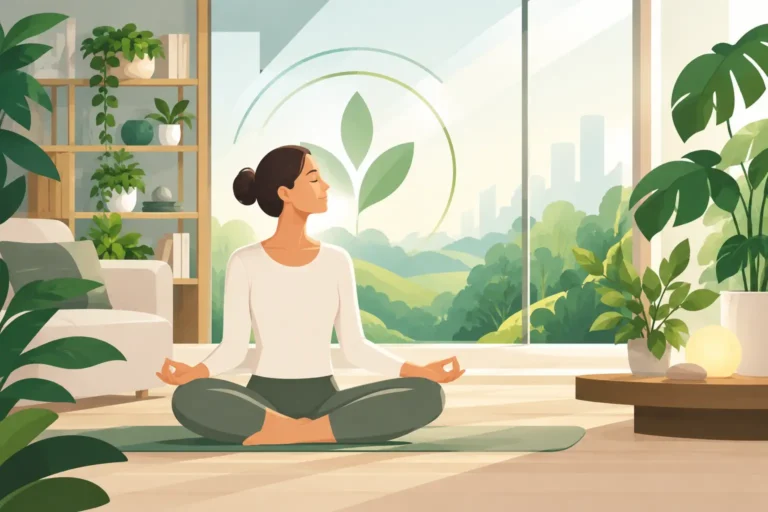
This is where physiological comfort becomes a meaningful design principle. It considers how the space may influence a guest’s daily rhythm, including sensory load, perceived freshness, restorative light exposure, and opportunities to pause. The strongest concepts translate complex science into simple rituals rather than overwhelming guests with technical language.
A guest does not need to understand every system operating in the room. They need clear, appropriate guidance: a short evening recovery session, a calming room mode after a long flight, or an energizing option before a presentation. Technology should feel personal and easy to use, not like another device demanding attention.
Light-Based Recovery Takes a More Intentional Role
Red and near-infrared photobiomodulation is becoming more visible in premium wellness settings because it offers a non-invasive way to support recovery routines. In a hotel context, its value is not in making exaggerated promises. Its value is in providing guests with a practical option that complements movement, rest, hydration, and quality sleep.
Hotels may integrate photobiomodulation systems into designated recovery suites, private wellness rooms, executive floors, or selected in-room packages. The right model depends on the property. A high-turnover airport hotel may benefit from short, accessible sessions, while a wellness resort can create a more guided ritual around recovery and regeneration.
Operational discipline matters. Equipment must be easy for staff to maintain, clearly presented to guests, and supported by appropriate usage guidance. When those conditions are met, light-based wellness can become a memorable part of the stay rather than a novelty guests try once and forget.
The Environmental Layer Is No Longer Invisible
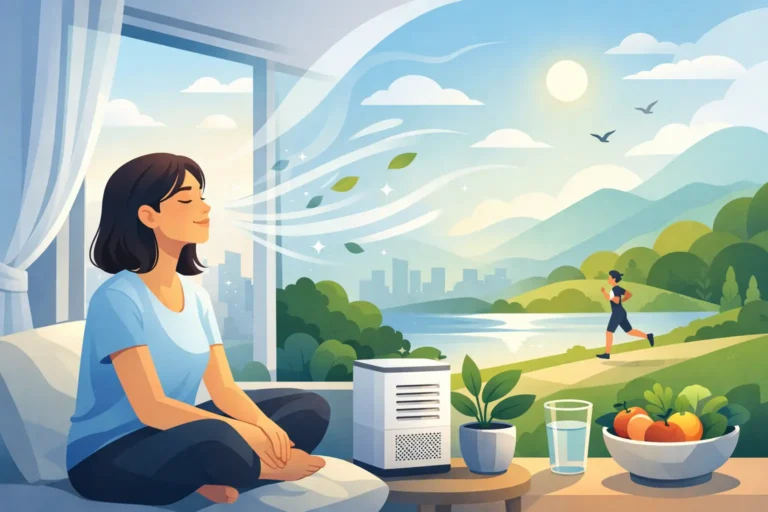
Guests are more aware of how a room feels, even when they cannot describe why. After hours in transit, a stuffy or overstimulating environment can make it harder to settle. By contrast, an environment designed around comfort, natural inspiration, and sensory balance can reinforce the sense that the hotel understands recovery as more than a spa treatment.
Nature-inspired, light-activated air revitalization is part of this broader shift. Rather than treating wellness as a single product category, forward-looking hotels are considering the quality of the space around the guest alongside the tools the guest uses within it. This integrated approach reflects a simple truth: recovery is shaped by the entire environment.
For HealthWise, combining Forest Air’s nature-inspired air revitalization with Nircura’s red and near-infrared photobiomodulation creates a model for this kind of integrated wellness space. The concept is particularly suited to hotels that want to offer a compact, premium recovery experience without requiring a large dedicated spa footprint.
Personalization Without Friction
Personalization is another major direction, but it can easily become intrusive. Guests do not necessarily want to complete a lengthy wellness questionnaire at check-in or download another app to use their room. The better approach is optional and immediate.
A hotel can offer a small number of clearly defined wellness settings based on real travel needs. An evening setting may encourage a lower-stimulation wind-down. A recovery setting may support guests after long travel or physical activity. A focus setting may suit a guest preparing for a meeting. The guest remains in control, and the hotel avoids making assumptions about personal health.
This is also where hotels must be precise in their communication. Wellness amenities should be described as supportive experiences, not medical treatment. Clear language protects guest trust and helps teams present the offer confidently. Premium guests are often highly informed, and they can recognize the difference between evidence-aware wellness and inflated claims.
What Hotel Operators Should Evaluate Before Investing
The appeal of wellness innovation can make it tempting to buy isolated devices or replicate the latest social-media trend. That approach often creates underused amenities and adds complexity for staff. A more durable investment begins with the guest journey.
Hotel leaders should first identify the main reason guests choose their property. Is it corporate travel, urban leisure, sport and outdoor activity, rehabilitation-oriented stays, or luxury escape? A wellness offer should answer a real guest need within that context. A business hotel, for example, may prioritize sleep quality, decompression, and mental focus, while a resort may build a fuller recovery program around movement and treatments.
The second consideration is operations. Who introduces the experience? How is it cleaned, checked, and reset? Can front-desk, housekeeping, and wellness teams explain it in a consistent way? The best wellness technology is not necessarily the one with the longest feature list. It is the one that delivers a reliable experience without creating friction behind the scenes.
Finally, hotels should consider how the investment will be positioned commercially. Some properties may include wellness features in premium room categories. Others may create bookable recovery sessions, corporate wellness packages, or partnerships with local health and performance professionals. There is no single model. The deciding factor is whether the offer feels valuable enough for guests to choose, share, and return for.
The Next Competitive Advantage Is How Guests Feel
The hotel room of the future will not look like a laboratory, nor should it. It will remain comfortable, beautiful, and calm. What changes is the level of intention behind it. Design choices will increasingly support the guest’s actual needs: a quieter nervous system after travel, a more restorative evening, and a sense of renewed capacity for the day ahead.
Hotels that lead in wellness will resist the urge to add technology for its own sake. They will select complementary systems, make the experience effortless, and keep the human benefit at the center. When a guest remembers not only the room’s design but also how clearly they slept, recovered, and reset, wellness stops being an amenity. It becomes a reason to return.