A hotel guest who has crossed time zones, an executive finishing a demanding week, and a rehabilitation client managing recovery may want different outcomes. Yet they increasingly expect the same thing from a wellness setting: practical, science-informed support that fits into real life. That shift is at the center of current photobiomodulation market trends, as red and near-infrared light moves beyond specialist performance circles into premium everyday environments.
The market is not growing simply because light therapy is visually appealing or easy to photograph. It is growing because people are more intentional about sleep, stress, physical recovery, and preventive well-being. For hospitality leaders, wellness professionals, and owners of premium spaces, photobiomodulation is becoming less of a standalone device category and more of a considered part of the guest or client experience.
Why photobiomodulation is gaining commercial momentum
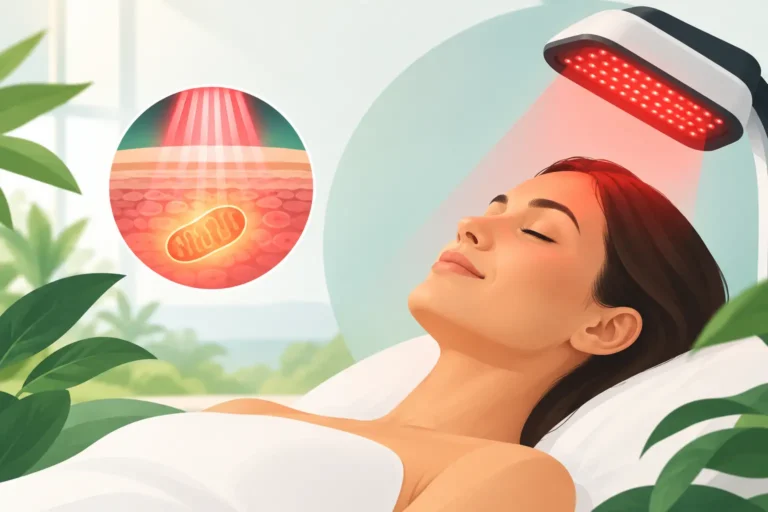
Photobiomodulation, often shortened to PBM, uses specific wavelengths of red and near-infrared light to interact with biological tissue. In the right parameters, this noninvasive approach is associated with cellular processes involved in energy production, circulation, and recovery. The practical appeal is clear: sessions are quiet, require no downtime, and can be incorporated into a routine without disrupting the day.
Consumer demand is also changing. Premium wellness customers are increasingly skeptical of vague relaxation claims, but they are open to technologies that are well explained, professionally presented, and grounded in a sensible routine. They want to understand what a session is for, how it fits with sleep or training, and what realistic results may look like over time.
This is changing the sales conversation. The strongest providers are no longer selling light as a novelty. They are presenting photobiomodulation as one supportive element within a broader recovery, resilience, and wellness strategy.
Photobiomodulation market trends redefining premium spaces
From performance niche to daily wellness ritual
Early demand for red and near-infrared light systems was closely tied to athletes, biohackers, and rehabilitation settings. Those audiences remain important, but the market is broadening. Busy professionals use PBM as part of a recovery-focused evening routine. Wellness-minded households want accessible tools that support consistent self-care. Hospitality brands see an opportunity to offer more than a beautiful room or a conventional spa appointment.
This expansion matters because it favors equipment that is intuitive, comfortable, and appropriate for frequent use. A sophisticated system still needs to feel simple. If staff need extensive technical intervention for every session, or if clients cannot quickly understand the intended use, adoption can stall.
Hospitality is becoming a serious use case
Hotels and retreats are under pressure to make wellness visible, useful, and differentiated. A treatment menu alone is no longer enough for guests who travel often and expect well-being to be part of the full stay. Private recovery spaces, in-room wellness concepts, and dedicated regeneration areas are becoming more relevant, especially in premium urban hotels, resorts, and executive accommodation.
Photobiomodulation can work well in this setting because it is compact, quiet, and compatible with short sessions. A guest may use it before sleep, after a long flight, or following exercise. The value is not only the device itself. It is the quality of the experience around it: a calm setting, clear instructions, thoughtful scheduling, and a sense that the property has designed for recovery as carefully as it has designed for comfort.
Integrated environments are outperforming isolated devices
One of the more meaningful market shifts is toward complete wellness environments. Clients increasingly recognize that recovery is influenced by more than one input. Light, breathing quality, calm, privacy, comfort, and the ability to step away from constant stimulation all shape how restorative a space feels.
For this reason, forward-looking wellness concepts are combining complementary approaches rather than asking one device to carry the entire promise. HealthWise reflects this direction by pairing red and near-infrared photobiomodulation with nature-inspired, light-activated air revitalization in environments designed for modern recovery. The concept is especially relevant for hotels, wellness centers, offices, and private settings where the experience must feel elegant as well as functional.
Integration does not mean adding technology for its own sake. It means selecting elements that have a clear role and work together without making the room feel clinical or complicated.
Buyers are asking better technical questions
As the category matures, buyers are becoming more informed. They are looking beyond broad phrases such as “red light therapy” and asking about wavelength ranges, irradiance, treatment area, session guidance, heat management, materials, durability, and safety features. This is a healthy development for the market.
Not all PBM systems are comparable. A small consumer device may suit a targeted personal routine, while a full-body panel or professional system may be more appropriate for a spa, recovery studio, or hospitality installation. More power is not automatically better. Dose is shaped by the combination of wavelength, intensity, distance, treatment time, and the area being treated.
That is why education matters. Quality providers should explain the intended protocol in plain language and avoid promising identical outcomes for every person. A well-designed system supports consistency, but individual needs, health status, and use patterns still matter.
Professional guidance is becoming part of the product
The growing market is creating demand for more than hardware. Partners want training, staff confidence, client communication materials, and guidance on how PBM should fit within their service model. A spa manager needs to know how to introduce a session without overstating claims. A rehabilitation professional needs practical parameters and appropriate boundaries. A hotel team needs a guest-friendly process that feels premium rather than technical.
This trend gives an advantage to companies that treat education as central to the offering. When teams understand the technology, they can present it with credibility. When clients understand what a session is designed to support, they are more likely to use it consistently and value the experience.
What is driving demand across different settings
In private homes, demand is tied to convenience and autonomy. People want a structured way to support recovery, relaxation, and a healthier daily rhythm without adding another appointment to the calendar. The deciding factors are often ease of use, design, footprint, and confidence that the system will remain useful beyond the first few weeks.
In offices, the opportunity is connected to stress management, focus, and recovery from high-pressure work patterns. The most successful applications will be discreet and purposeful, positioned as part of a wider well-being strategy rather than a workplace gimmick. Privacy and practical session length are particularly important.
In spas and rehabilitation centers, PBM can complement existing recovery services when delivered within a clearly defined protocol. It may be used alongside movement, manual therapies, rest, and other professional wellness practices. The commercial advantage lies in creating a more complete client pathway, not in replacing qualified care or presenting light as a cure-all.
The trade-offs buyers should consider
Fast market growth brings noise. Some brands rely on dramatic claims, unclear specifications, or a visual aesthetic that says little about real performance. Premium buyers should be cautious of systems that do not provide transparent technical information or meaningful user guidance.
There is also a balance between accessibility and clinical seriousness. If photobiomodulation is explained in overly scientific language, many users will disengage. If it is explained too casually, it can lose credibility. The best communication translates the science into a practical purpose: a quiet, noninvasive session designed to support recovery and well-being as part of a consistent lifestyle.
Safety deserves the same level of care. PBM is generally valued for its noninvasive nature, but users should follow device instructions and seek professional advice when they have a medical condition, are using photosensitizing medication, are pregnant, or are managing a specific health concern. Responsible positioning builds more lasting trust than exaggerated promises.
Where the market is heading next
The next phase of growth will likely reward brands and partners that make wellness more usable, not merely more technological. Expect to see photobiomodulation integrated into refined hospitality offerings, private regeneration rooms, corporate wellness spaces, and professional recovery centers. Design will matter, but so will training, evidence-aware communication, and a clear rationale for each element of the experience.
For decision-makers, the question is no longer whether red and near-infrared light belongs only in a specialist setting. The better question is how it can be introduced with intention: in a space that invites people to pause, recover, and return to their day feeling more supported. That is where the most valuable opportunities in photobiomodulation will be created.