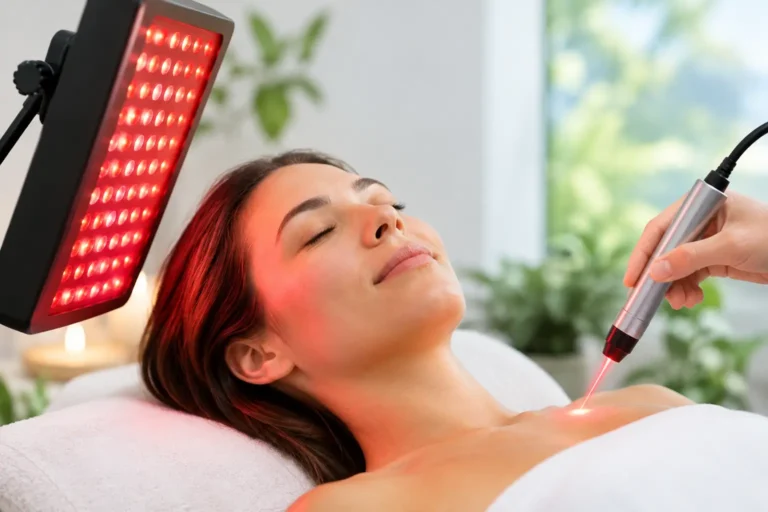
A red-light panel in a recovery suite, a light-activated air revitalization system in a hotel room, and a sleep-tracking wearable may all be described as wellness technology. Yet the answer to are wellness devices medically regulated is not a simple yes or no. Regulation depends less on where a product is used and more on what the manufacturer says it is designed to do.
That distinction matters for families investing in their well-being, as well as hotels, spas, rehabilitation centers, and workplace leaders building credible wellness environments. A premium device can support a healthy lifestyle without being a regulated medical device. Once it is promoted to diagnose, treat, cure, mitigate, or prevent a disease or medical condition, a different regulatory threshold may apply.
Are Wellness Devices Medically Regulated in the United States?
In the United States, the Food and Drug Administration regulates products that meet the legal definition of a medical device. Broadly, this includes instruments, machines, implants, software, and related products intended for diagnosing, curing, mitigating, treating, or preventing disease, or intended to affect the structure or function of the body in a way that does not achieve its primary purpose through chemical action.
The key phrase is intended use. It is established through product labeling, instructions, websites, advertising, sales presentations, and other communications. Two products may use similar technology, while facing very different regulatory obligations because one is positioned for general wellness and the other makes a specific medical claim.
For example, language about supporting relaxation, recovery after exercise, healthy sleep routines, or a sense of everyday vitality may fit a general wellness position when used responsibly. Saying that a device treats insomnia, heals an injury, relieves a diagnosed respiratory disease, or prevents infection moves into medical territory. The technology itself does not decide the classification. The purpose claimed for it does.
This is why responsible wellness communication requires precision. Strong claims may sound compelling in a brochure, but they can create regulatory exposure and erode the trust that premium wellness buyers expect.
General Wellness Is Not a Regulatory Free Pass
The FDA has a policy framework for certain low-risk products that promote a healthy lifestyle and are unrelated to the diagnosis, cure, mitigation, prevention, or treatment of disease. These may include products associated with stress management, sleep quality, physical fitness, or general well-being.
This does not mean every product labeled wellness is outside FDA oversight. It means the FDA may choose not to actively enforce certain device requirements for products that are low risk and make only general wellness claims. A manufacturer remains responsible for ensuring that its product is safe, accurately represented, and supported by an appropriate quality process.
There is also a practical line between a consumer-facing wellness statement and a clinical promise. “Designed to support post-workout recovery” is not the same as “treats muscle injury.” “Creates an environment intended for calm and restoration” is not the same as “treats anxiety.” The first type of language focuses on experience and lifestyle support. The second can imply a medical outcome.
For buyers, this means that a lack of medical-device status is not automatically a weakness. Many people want noninvasive tools that help them create a more restorative daily routine without presenting themselves as medical treatment. The right choice depends on the intended setting, the users’ needs, the product’s safety profile, and the claims being made.
Red and Near-Infrared Light: Why Claims Matter
Photobiomodulation systems using red and near-infrared light illustrate the distinction clearly. These technologies are used across wellness, sports recovery, aesthetic, and clinical contexts. A system may be marketed for general wellness, relaxation, and recovery support, or it may be offered for a specific medical indication.
When a manufacturer seeks to market a device for a medical purpose, it may need to comply with FDA requirements based on the device type and risk classification. Many medical devices are classified as Class I, II, or III. Class I devices generally carry lower risk, while Class III devices generally carry the highest risk and may require a more demanding approval pathway.
For some Class II devices, a manufacturer may pursue FDA 510(k) clearance by showing that the device is substantially equivalent to a legally marketed predicate device. Certain high-risk products require premarket approval, which involves a more extensive review. These pathways are not interchangeable, and neither applies automatically to every red-light or near-infrared wellness system.
A crucial point for purchasers: FDA clearance is not the same as FDA approval, and neither term should be used casually. A company may also be FDA registered and list its devices with the agency. Registration and listing do not mean the FDA has evaluated or endorsed the device. When reviewing a supplier, ask for precise language and documentation rather than accepting broad claims about being “FDA certified.”
Environmental Wellness Technology Requires the Same Discipline
Technologies designed to improve the quality of a wellness environment deserve the same careful assessment. A system may be presented as supporting a more refreshing, nature-inspired indoor experience. That can be a legitimate wellness proposition. However, claims that it cures allergies, treats respiratory illness, eliminates pathogens, or prevents disease can trigger additional scrutiny and may involve agencies beyond the FDA.
The Federal Trade Commission also plays an important role in the United States. It expects advertising claims to be truthful, not misleading, and supported by competent and reliable evidence. This applies whether a product is sold directly to households or integrated into a hotel, spa, office, or professional wellness setting.
For B2B partners, claims are especially consequential. A hotel that promises medical outcomes through its room amenities may assume avoidable risk. A spa that presents a wellness service as treatment may confuse clients and blur professional boundaries. Clear positioning protects guests, staff, and brand reputation.
At HealthWise, this principle supports a more thoughtful view of integrated wellness environments: advanced technology should feel natural and practical, while claims remain aligned with the device’s intended use, available evidence, and real-world application.
How to Evaluate a Wellness Device Before You Buy
The best due diligence does not begin with a badge, a trend, or a bold health promise. It begins with questions. Ask the supplier what the product is intended to support and request the exact claims they authorize partners to use. Then ask what evidence supports those claims, what safety guidance applies, and whether the product has a relevant FDA status.
For a commercial installation, it is also wise to clarify who may use the device, how long sessions should last, which contraindications or precautions apply, and how staff should communicate with guests. A polished physical space is only part of a premium experience. Confidence comes from consistent protocols, informed personnel, and transparent expectations.
Look closely at the language used in materials. Credible partners explain limitations as well as benefits. They do not imply that wellness technology replaces medical diagnosis, prescribed treatment, emergency care, or the guidance of a qualified health professional. This is particularly important for individuals who are pregnant, have photosensitivity, use medications that affect light sensitivity, have implanted devices, or manage an ongoing health condition.
Evidence should also match the claim. Research on a specific wavelength, exposure method, population, or clinical setting does not automatically validate every product that uses similar terminology. Product design, dose, duration, safety features, and intended use all influence whether evidence is relevant.
International Markets Add Another Layer
For organizations operating across borders, U.S. rules are only one part of the picture. The European Union uses its own medical-device framework, including the Medical Device Regulation. Other countries maintain separate classification, registration, labeling, and advertising requirements.
A product’s status in one market does not automatically transfer to another. Nor does a CE mark, FDA registration, or a clearance decision grant a universal right to make the same claims worldwide. International hotel groups, wellness franchises, and distributors should ensure that local product documentation and marketing language are reviewed for each market where they operate.
Build Trust Through Accurate Positioning
Medical regulation is not a measure of whether a wellness device is valuable. It is a framework for matching a product’s intended use and risk level with the right evidence, controls, and communication. A well-designed general wellness system can bring meaningful support to daily recovery, rest, and comfort without claiming to be clinical treatment.
The most credible wellness spaces make room for both ambition and restraint. Choose technologies with a clear purpose, ask direct questions about status and substantiation, and describe benefits with the same care used to design the experience. That is how wellness remains elevated, responsible, and genuinely useful.