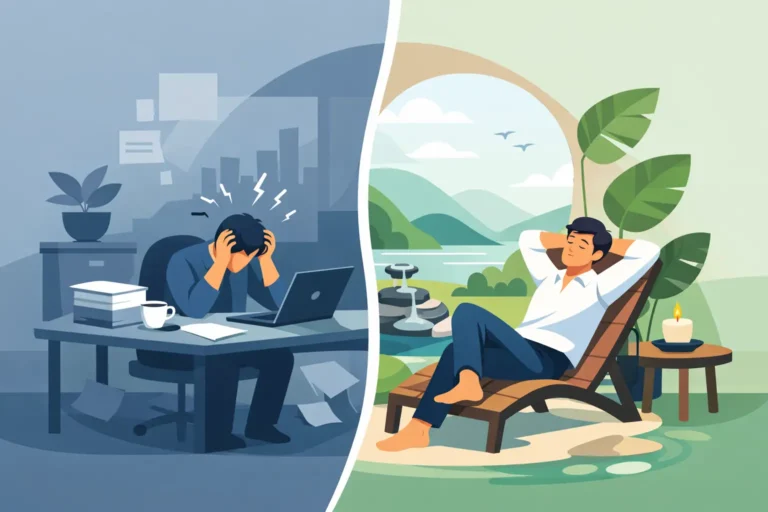

A recovery room should not feel like an afterthought – a spare corner with a recliner, a water station, and harsh overhead lighting. The right guide to recovery room equipment starts with a more useful question: what should a guest, client, employee, or family member feel when they enter? Calm enough to slow down, comfortable enough to stay, and supported enough to restore energy before returning to a demanding day.
For hotels, wellness centers, rehabilitation practices, premium offices, and health-focused homes, recovery is increasingly part of the experience people expect. Yet equipment alone does not create a restorative setting. The strongest rooms combine sensory comfort, practical circulation, and non-invasive technologies in a way that feels natural rather than clinical.
Start With the Purpose of the Room
“Recovery room” can describe very different spaces. A hotel may use one as a private wellness suite for travelers managing fatigue, jet lag, and stress. A spa may need a quiet transition area after a treatment. A rehabilitation center may require a supervised space where comfort, hygiene, and professional protocols take priority. In a home, the goal may simply be a reliable place to decompress and support healthy routines.
That distinction should guide every equipment choice. A medically supervised setting must follow applicable regulations, clinical standards, and the recommendations of qualified professionals. A wellness room, by contrast, can prioritize an environment that encourages rest, hydration, quiet reflection, and gentle regenerative practices. Trying to make one room serve every possible use often leads to clutter, confusion, and underused equipment.
Before purchasing anything, define the room’s primary user, expected visit length, staff involvement, and desired capacity. A 15-minute reset for hotel guests requires a different layout from a 60-minute recovery session in a wellness practice.
Recovery Room Equipment: Build the Essential Layer First
The foundational equipment should make the room physically comfortable, easy to maintain, and simple to use. This is where budget should go before adding impressive-looking devices that do not fit the workflow.
Comfortable, adjustable seating
A high-quality recliner, recovery lounger, or adjustable treatment chair is often the room’s most important item. It should support a relaxed posture without forcing the user into a fixed position. Consider washable performance upholstery, stable armrests, quiet adjustment controls, and a shape that allows guests to stand up easily.
The number of seats depends on privacy. One excellent chair in a private room can deliver a more premium experience than several tightly placed loungers. Shared recovery areas can work well for spas and clubs, but require thoughtful spacing, acoustic control, and clear hygiene procedures.
Rest surfaces and supportive textiles
For longer sessions, a treatment table, daybed, or compact recovery bed may be appropriate. Choose durable surfaces that can be cleaned efficiently and use textiles that feel soft without creating a burdensome laundry routine. Lightweight blankets, neck supports, and lumbar cushions add comfort, but they should be organized discreetly rather than piled visibly in the room.
The goal is not decorative excess. It is a physical sense of being held, warm, and unhurried.
Hydration and practical storage
A small hydration station supports the recovery ritual without turning the room into a café. Filtered water, cups or reusable glasses, and a clean tray are usually enough. In professional environments, accessible storage for linens, cleaning supplies, device accessories, and guest belongings keeps operational items out of sight while remaining close at hand.
Charging access also matters. A guest may be more willing to stay for a full session when their phone can charge nearby. However, consider whether visible screens undermine the room’s purpose. A simple charging drawer or side table can offer convenience without inviting distraction.
Create an Environment the Nervous System Can Read
People do not recover only because they sit still. They respond to the signals around them: brightness, noise, air quality, temperature, texture, and visual order. These elements determine whether a room feels like a pause from pressure or another place that asks for attention.
Lighting that supports a slower pace
Avoid making bright ceiling fixtures the primary source of light. Layered lighting is more effective: soft ambient illumination, focused task lighting where needed, and adjustable intensity for different times of day. Warm tones can help create a quieter atmosphere, while glare-free lighting makes the room more comfortable for tired eyes.
For settings centered on regeneration, red and near-infrared photobiomodulation can be considered as part of a planned wellness offering. These systems use specific wavelengths of light and should be selected according to intended use, session protocols, user comfort, and manufacturer guidance. They are not a replacement for medical assessment or treatment, particularly where pain, injury, or health conditions are involved.
Nircura’s red and near-infrared photobiomodulation systems are designed to bring this type of non-invasive wellness technology into modern recovery environments without making the space feel overly technical. Placement matters as much as the device itself. Users need enough room to sit or lie comfortably, with clear instructions and privacy during use.
Nature-inspired air revitalization
Stale, overly conditioned indoor air can make even a beautifully designed room feel flat. A recovery environment benefits from a fresh, balanced sensory quality that supports relaxed breathing and a perception of cleanliness. Forest Air’s light-activated air revitalization is designed around nature-inspired principles, offering a distinctive environmental layer for spaces where guests expect more than visual comfort.
This is especially relevant in hotel rooms, private suites, wellness studios, and offices where people move quickly from meeting to meeting. The technology should be integrated quietly, with consideration for room size, noise level, placement, and maintenance. The experience should feel effortless – not like a demonstration of machinery.
Sound, temperature, and visual restraint
Acoustic comfort is frequently overlooked. If users can hear elevator traffic, conversations, clattering equipment, or notifications from adjacent spaces, the recovery room will struggle to deliver calm. Soft finishes, door seals, controlled background audio, and a clear no-phone policy can be more valuable than an elaborate sound system.
Temperature should be stable rather than dramatic. Some users prefer warmth, while others become uncomfortable quickly, so individual blankets and adjustable seating are often more practical than overheating the entire room. Keep visual design restrained as well. A few natural materials, a living plant if maintenance allows, and concealed equipment create a more enduring premium impression than crowded décor.
Choose Technology With a Clear Use Case
Advanced wellness equipment earns its place when it solves a real need and fits the operating model. The question is not whether a device is innovative. It is whether staff can explain it, users can engage with it comfortably, and the space can support it every day.
For a hotel, integrated recovery technology can become a differentiating amenity for guests who value sleep quality, stress relief, and restoration while traveling. For a spa or rehabilitation business, it can extend the client journey before or after existing services. For an office, a compact recovery zone may give employees a practical setting for focused breaks, especially during intensive periods.
A complete environment is often more valuable than a collection of standalone devices. HealthWise approaches this through the complementary use of air revitalization and photobiomodulation, bringing environmental quality and regenerative tools into one considered experience. The benefit is not just visual coherence. It is easier staff training, clearer guest communication, and a space with a recognizable purpose.
Plan the Layout Around Movement and Privacy
Even premium equipment can feel awkward in a poorly planned room. Begin with the entry. Users should immediately understand where to place belongings, where to sit, and what to do next. Avoid forcing them to step around cables, reach across equipment, or search for instructions.
Allow enough clearance around recliners, beds, and light systems for cleaning, access, and safe movement. In professional settings, staff should be able to enter without disrupting the session. If the room serves more than one person, create separation through layout, screens, or architectural elements rather than relying only on signs asking people to be quiet.
Privacy is not always about complete isolation. It can mean giving users control over light levels, sound, seating position, and whether they want conversation. Those small choices make a recovery room feel personal rather than standardized.
Operational Details Protect the Experience
Recovery spaces are easy to launch and surprisingly easy to let decline. Fabrics wear, instructions disappear, devices sit unused, and staff members explain the room differently. A short operating standard prevents this.
Set a clear session flow: welcome, preparation, use of the selected equipment, hydration, reset, and cleaning. Keep instructions concise and visible only where needed. Train staff to speak about wellness benefits responsibly, avoiding promises that exceed the evidence or the purpose of the setting.
Maintenance should be planned before installation. Ask how often surfaces, textiles, and equipment require care; who is responsible; and how downtime will be handled. The most elegant recovery room is one that remains consistently clean, quiet, and ready.
A well-designed recovery room does more than offer rest. It gives people permission to pause with intention – and that may be one of the most valuable amenities a modern space can provide.