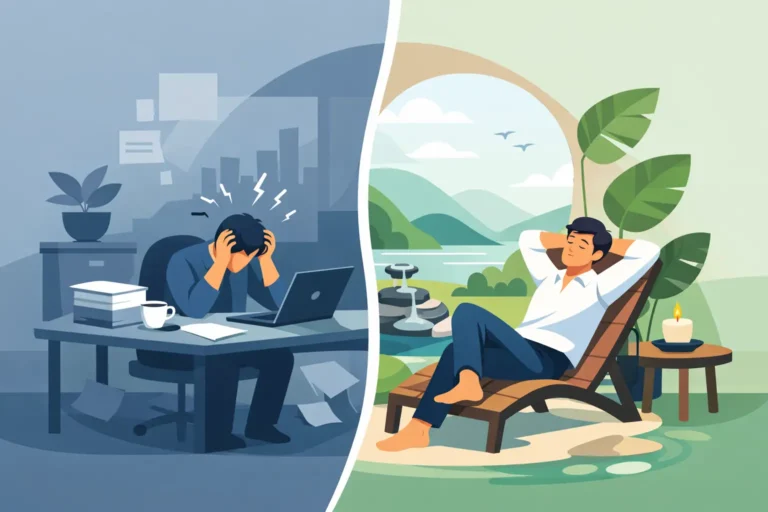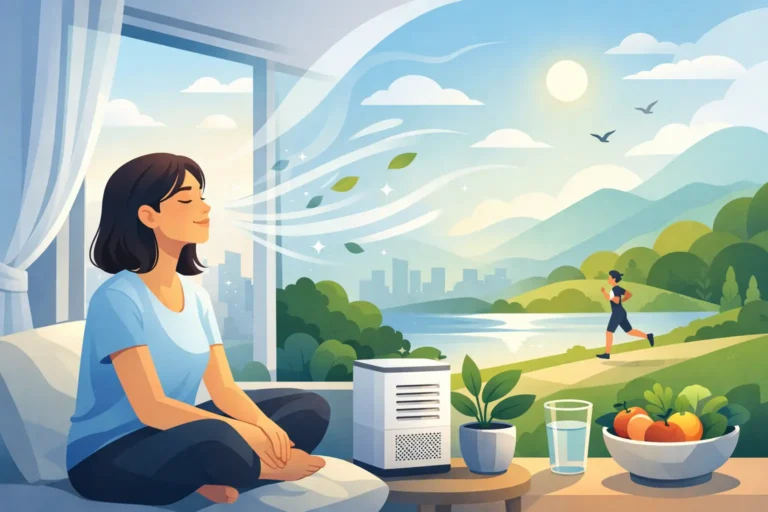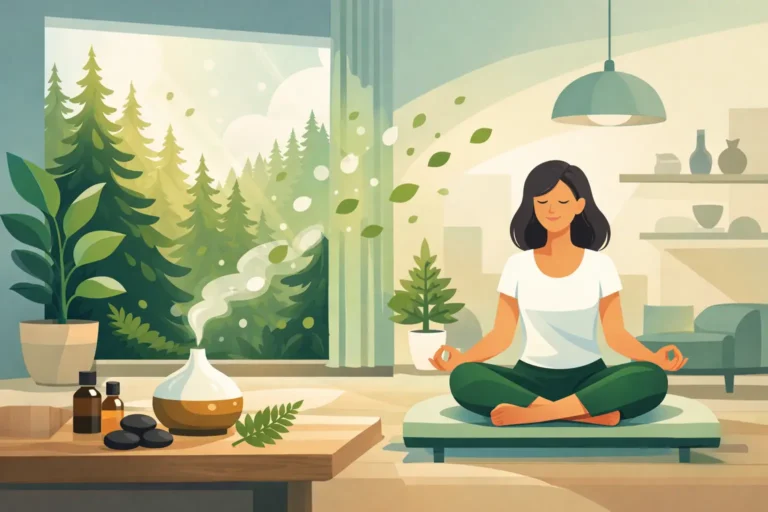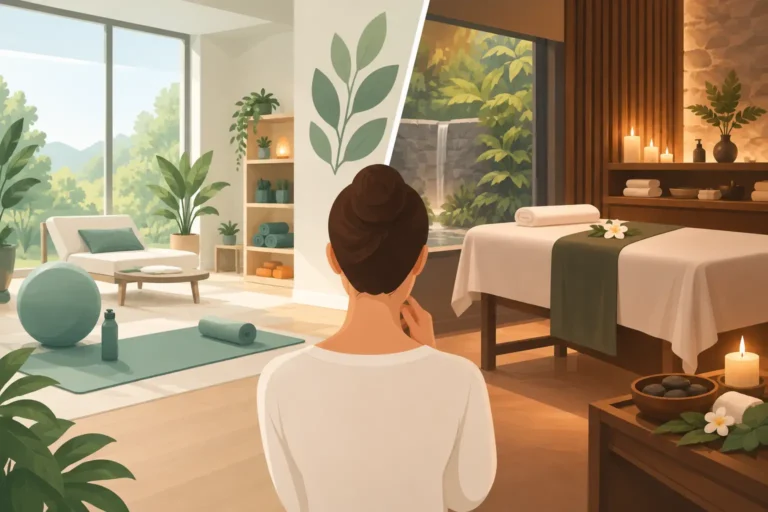
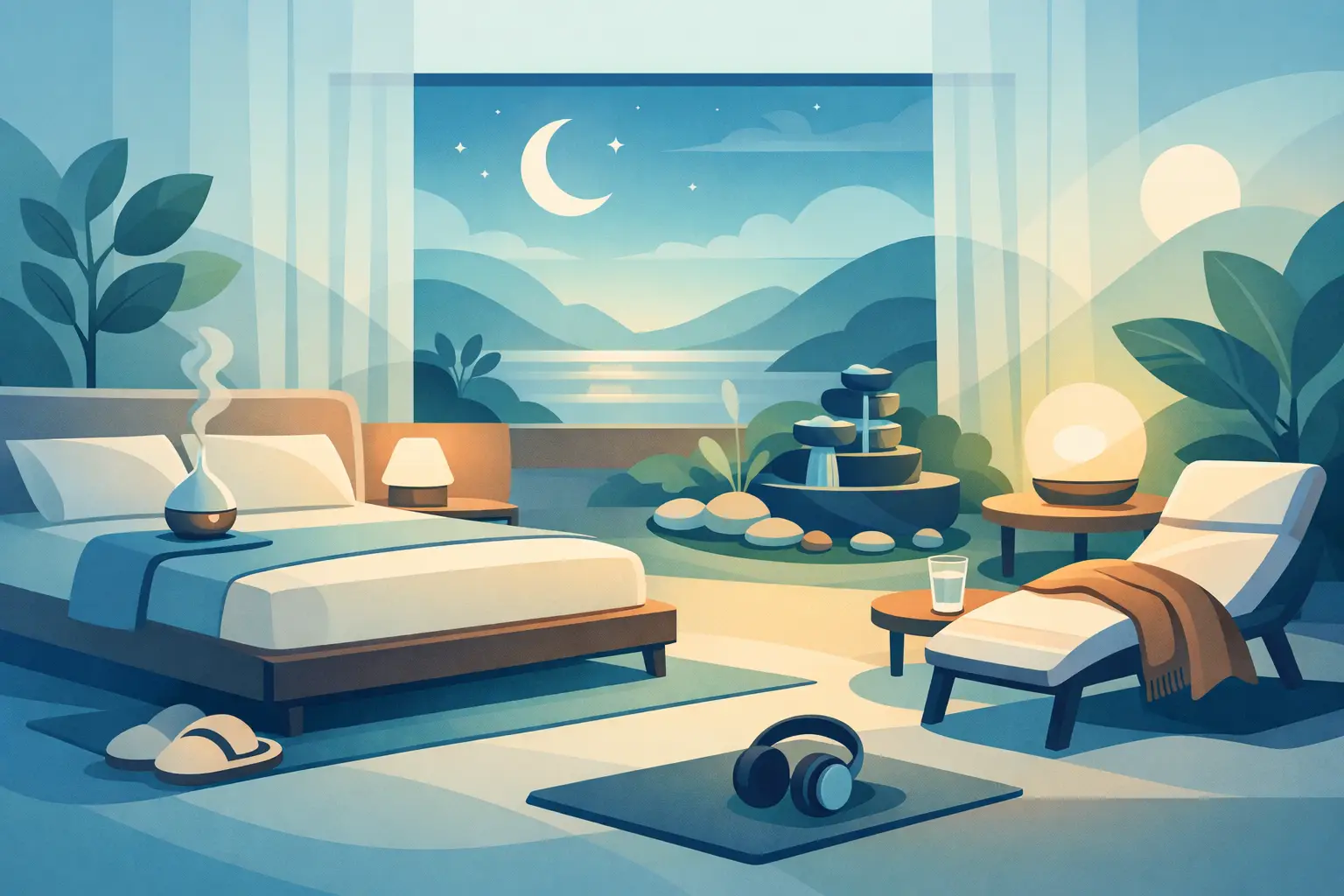
A recovery-focused room should do more than look calm. It should reduce the signals that keep the nervous system alert: harsh light, stale-feeling air, excess heat, noise, and the small daily friction that turns bedtime into another task. The best sleep recovery room upgrades work as a connected environment, helping the body shift from stimulation into restoration.
For a premium home, hotel suite, wellness center, or rehabilitation space, this distinction matters. A beautiful bedroom can still be poorly designed for sleep. A true recovery room considers how light, temperature, breathing comfort, sound, and restorative technology shape the hours before and during rest.
Best Sleep Recovery Room Upgrades That Change the Experience
The right sequence matters. Start with the conditions that affect every night, then add technologies that support a more intentional recovery ritual. An expensive mattress cannot fully compensate for a room that is overheated, brightly lit, or interrupted by sound.
1. Build a deliberate lighting rhythm
Light is one of the clearest cues the body uses to regulate its daily rhythm. Bright, cool-toned light late in the evening can make a room feel productive rather than restful. The goal is not darkness all day, but contrast: brighter, more activating light earlier in the day and soft, warm illumination as bedtime approaches.
Replace exposed bright bulbs near the bed with dimmable, low-glare fixtures. Choose indirect bedside lighting and place controls within easy reach, so the last part of the evening does not require walking through a fully illuminated room. Blackout shades or lined curtains are equally valuable where streetlights, early daylight, or changing work schedules interfere with sleep.
This upgrade is especially useful in hotels and wellness facilities, where guests arrive from different time zones or spend long days in meetings. A carefully controlled evening light setting creates an immediate signal that the room is designed for decompression, not just accommodation.
2. Make thermal comfort adjustable, not fixed
Sleep is sensitive to temperature, yet there is no single setting that suits everyone. Many people rest better in a slightly cool room, but personal comfort, bedding weight, hormonal changes, and local climate all influence the ideal balance.
Rather than relying on one aggressive thermostat setting, create layers of control. Breathable bedding, a mattress with appropriate heat retention, quiet airflow, and separate temperature preferences for partners can make a meaningful difference. Natural-fiber sheets may feel more comfortable for sleepers who tend to overheat, while a heavier duvet can help those who wake feeling cold.
For hospitality and professional recovery settings, temperature control is also a service detail. Guests may not remember the thermostat itself. They will remember waking up without feeling overheated, dry, or restless.
3. Treat air as part of the recovery environment
A room’s breathing experience is often overlooked because it is not always visible. Yet air that feels fresh, balanced, and comfortable can support a calmer evening routine, particularly for people who notice seasonal sensitivities, respiratory discomfort, or the effects of spending long days indoors.
Nature-inspired air revitalization can bring a more intentional dimension to the space. Forest Air’s light-activated approach is designed around the restorative associations of natural environments, helping transform an enclosed room into a setting that feels more supportive of relaxation and everyday well-being.
The practical consideration is placement and routine. Keep the sleep zone uncluttered, maintain the room according to the technology’s specifications, and allow the environment to become part of a consistent wind-down pattern. This is not about creating a dramatic effect at bedtime. It is about making the room feel reliably restorative night after night.
4. Reduce noise without making the room feel sealed off
Unexpected sound is more disruptive than steady background sound. Traffic, hallway activity, plumbing, notifications, and a partner’s early alarm can all interrupt sleep, even when they do not fully wake the sleeper.
Begin with the simple physical fixes: door seals, heavier window treatments, soft furnishings, and a well-fitted rug can reduce reflected noise. If outside sound is unavoidable, a low, consistent sound source can be helpful for some people. The key is to choose a stable setting rather than a playlist with changing volume or sudden transitions.
Avoid turning the bedroom into a technical control room. Any device with bright displays, audible alerts, or complicated nighttime settings can work against the calm you are trying to create. The best systems become nearly invisible once they are set.
5. Upgrade the bed for pressure relief and practical comfort
A bed is not automatically a recovery tool simply because it is premium. The right choice depends on sleep position, body size, mobility needs, temperature preferences, and whether one or two people use it. Side sleepers often need more pressure relief around the shoulders and hips, while stomach sleepers may prefer a more supportive surface that prevents excessive sinking.
Pillows deserve the same attention. A pillow that is too high, too flat, or too warm can create nightly discomfort that is mistaken for stress or poor sleep habits. Test pillow height in the actual sleep position, not while sitting up in bed.
For recovery rooms used by multiple guests or clients, select durable, high-quality bedding that feels inviting without being overly styled. Ease of laundering, breathable construction, and a consistent tactile experience are more valuable than decorative excess.
6. Add red and near-infrared light with a clear purpose
Photobiomodulation has become a meaningful addition to modern wellness environments because it offers a non-invasive way to support recovery routines. Red and near-infrared light are commonly used in professional and personal wellness settings for their relationship to cellular energy processes, relaxation, and post-exertion recovery.
Nircura’s red and near-infrared photobiomodulation systems can fit naturally into a sleep recovery room when used as part of an early-evening ritual rather than as a replacement for sleep itself. A short, consistent session after training, travel, or a demanding workday may help create a more intentional transition into rest.
Timing and intensity matter. Bright light exposure close to bedtime is not universally helpful, and individual response varies. Follow the manufacturer’s protocol, use properly designed equipment, and speak with a qualified healthcare professional if you have a medical condition, use photosensitizing medication, or have concerns about light sensitivity. Premium wellness is strongest when it is both advanced and thoughtfully applied.
7. Remove the visual workload of the room
Clutter is not only an aesthetic issue. Work materials, laundry, charging cables, and screens can keep unfinished tasks psychologically present. A recovery room should make the next right action obvious: lower the lights, put away the phone, breathe, rest.
Create closed storage for work items and use a dedicated charging location away from the bed. If a phone must remain in the room, place it face down and beyond arm’s reach. Keep the visible palette restrained, with materials that feel warm and grounded rather than visually demanding.
For hotel operators and wellness professionals, this is where design and function meet. The space should feel elevated, but it should also guide people toward a calmer behavior without requiring instruction.
How to Choose Upgrades for Your Space
Not every room needs every technology at once. If sleep is disrupted by light, begin with lighting control and blackout solutions. If the issue is physical discomfort, prioritize thermal balance, bedding, and noise reduction. If the room already performs well on those fundamentals, integrated air revitalization and photobiomodulation can add a more complete recovery experience.
For larger projects, consider the room as a system rather than a collection of products. HealthWise brings together nature-inspired air revitalization and advanced red and near-infrared photobiomodulation to create wellness environments that support breathing, regeneration, and everyday recovery in one coherent setting.
The most valuable upgrade is the one people will use consistently. A room that quietly supports a regular bedtime, comfortable breathing, and a calm transition away from the day can make rest feel less like a luxury and more like a reliable part of how life is lived.