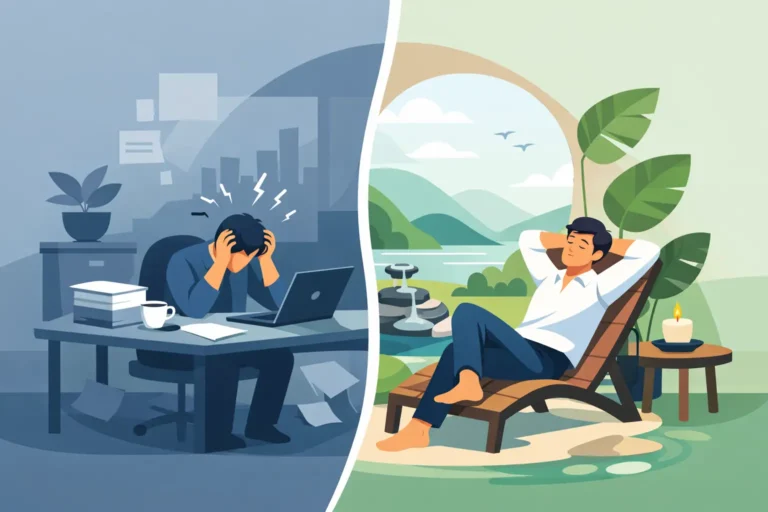

A demanding schedule often shows up first in the body: slower recovery after training, persistent muscle tension, restless sleep, or the feeling that focus disappears before the workday does. This guide to photobiomodulation therapy explains how red and near-infrared light can become a practical part of a recovery-focused wellness routine, whether that routine belongs in a home, hotel suite, spa, rehabilitation setting, or high-performance workplace.
Photobiomodulation therapy, often called PBM or red light therapy, is non-invasive. It uses specific wavelengths of visible red and near-infrared light to support cellular processes associated with energy production, circulation, and tissue recovery. It is not a shortcut, and it should not be positioned as a replacement for medical diagnosis or treatment. Used thoughtfully, however, it can be a valuable regenerative tool for people who want a more intentional approach to everyday well-being.
What Photobiomodulation Therapy Does
PBM works through a biological response to light. Red light generally acts closer to the skin’s surface, while near-infrared light reaches deeper into soft tissue. At suitable wavelengths and doses, this light is absorbed by cellular components, particularly within mitochondria, which are responsible for producing cellular energy.
The practical goal is not to “charge” the body with light. It is to encourage conditions that may support normal cellular function, local blood flow, and the body’s recovery response. That is why PBM is commonly used around concerns such as temporary muscle soreness, exercise recovery, joint comfort, skin support, and relaxation routines that promote better sleep.
The distinction between red and near-infrared light matters. A premium PBM system will often include both because recovery needs are rarely limited to one tissue depth. Red light can be well suited to surface-level applications, while near-infrared light is often selected when the intended target is deeper muscle or joint tissue. The best choice depends on the individual, the treatment area, and the intended outcome.
A Guide to Photobiomodulation Therapy: Dose Matters
More light is not automatically better. PBM follows a dose-response principle: too little may produce no meaningful effect, while excessive exposure may be less productive than a measured protocol. This is one reason device quality and professional guidance matter more than simply choosing the strongest-looking light.
A useful protocol considers irradiance, or the amount of light power delivered to a given area; energy dose, usually expressed in joules per square centimeter; wavelength; distance from the device; and treatment time. These variables work together. A powerful system used from farther away may deliver a different dose than a lower-output panel used close to the body.
For personal wellness, consistency is often more valuable than intensity. Many people begin with short sessions several times per week and adjust based on the device instructions, comfort, and their response over time. For a professional setting, standardized protocols help ensure that every guest or client receives an experience that is safe, repeatable, and easy to understand.
Avoid treating PBM as a one-session solution. Someone using light therapy after a strenuous week of travel, for example, may feel relaxed after one session, but recovery habits tend to show their value through regular use alongside sleep, hydration, movement, and appropriate nutrition.
Where PBM Fits Into Daily Life
The appeal of photobiomodulation is its flexibility. A short morning session may support an energizing routine before a demanding day. An evening session can become part of a lower-stimulation recovery ritual, especially when paired with reduced screen exposure and a calm environment.
For active adults, PBM is often used before or after training. Pre-exercise use may fit a warm-up routine focused on readiness, while post-exercise use may support recovery after muscular effort. The appropriate timing depends on personal goals, training load, and the recommendations for the specific device.
In hospitality, PBM can elevate a room from a place to sleep into a setting designed for restoration. Guests arriving after long-haul travel, executives moving through compressed schedules, and wellness-minded travelers all value recovery options that are private, quiet, and time-efficient. In spas and rehabilitation centers, a PBM system can complement manual therapies, movement programs, and relaxation services without adding invasive procedures.
Office environments are another strong fit. Mental fatigue and long hours of seated work affect more than productivity. They often influence posture, sleep quality, and the ability to switch off after work. A carefully designed wellness area can give employees a dedicated space for a short reset, particularly when PBM is integrated into an environment that also supports calm breathing and a more restorative atmosphere.
How to Use a PBM Device Safely
Start with the manufacturer’s instructions and follow them precisely. The device should clearly state its wavelengths, recommended distance, session duration, and intended use. Quality systems provide this information openly because effective wellness technology depends on accurate delivery, not vague promises.
Keep treatment sessions comfortable. The light should not cause burning, and there should be no pressure to extend a session beyond the recommended time. Depending on the system and the treatment area, eye protection may be recommended. Do not stare directly into high-intensity LEDs unless the device protocol specifically indicates that this is safe.
PBM is generally well tolerated, but it is not appropriate to self-prescribe in every circumstance. People who are pregnant, have a history of photosensitivity, take photosensitizing medications, have active cancer or suspicious lesions, or are managing an acute medical condition should speak with a qualified healthcare professional before use. The same applies when treating the thyroid region, areas of impaired sensation, or any condition that has not been properly assessed.
A wellness provider should also avoid diagnostic or curative claims. The responsible role of PBM is to support recovery and well-being within a broader care plan. Where pain is severe, persistent, sudden, or accompanied by swelling, weakness, numbness, fever, or loss of function, medical evaluation comes first.
Choosing a System for Home or Professional Use
When comparing PBM systems, focus on verified specifications rather than color alone. Not every red-looking light delivers therapeutic wavelengths or sufficient irradiance. Ask for clear information on red and near-infrared wavelength ranges, irradiance at a stated distance, coverage area, controls, treatment guidance, electrical safety, warranty, and service support.
The format should match the setting. A targeted device may be appropriate for an individual who wants to focus on a knee, shoulder, or localized muscle group. Larger panels and full-body configurations are more suitable for users seeking broader recovery support or businesses that want a premium, repeatable guest experience.
For hotels, spas, and wellness professionals, practical design is equally important. The system should be simple for staff to operate, easy to explain to guests, and visually aligned with the environment. Technology earns trust when it feels considered rather than clinical or complicated.
HealthWise approaches this principle by pairing advanced red and near-infrared photobiomodulation with nature-inspired, light-activated air revitalization. The result is not simply a device in a room, but a recovery-oriented wellness environment designed for modern routines.
Setting Realistic Expectations
PBM may support a sense of recovery, improved comfort, and a more deliberate wind-down routine, but individual results vary. Response can depend on age, health status, sleep quality, training demands, stress level, the condition being addressed, and whether the dose is appropriate.
Track what matters to you before judging results. An athlete may note post-training soreness and readiness for the next session. A frequent traveler may monitor sleep quality and stiffness after arrival. A wellness center may collect client feedback on comfort, relaxation, and repeat use. Simple observations over several weeks are more useful than expecting a dramatic change overnight.
The strongest wellness routines are built from small, repeatable decisions. When photobiomodulation therapy is chosen with care and used consistently, it can give recovery a dedicated place in the rhythm of everyday life.