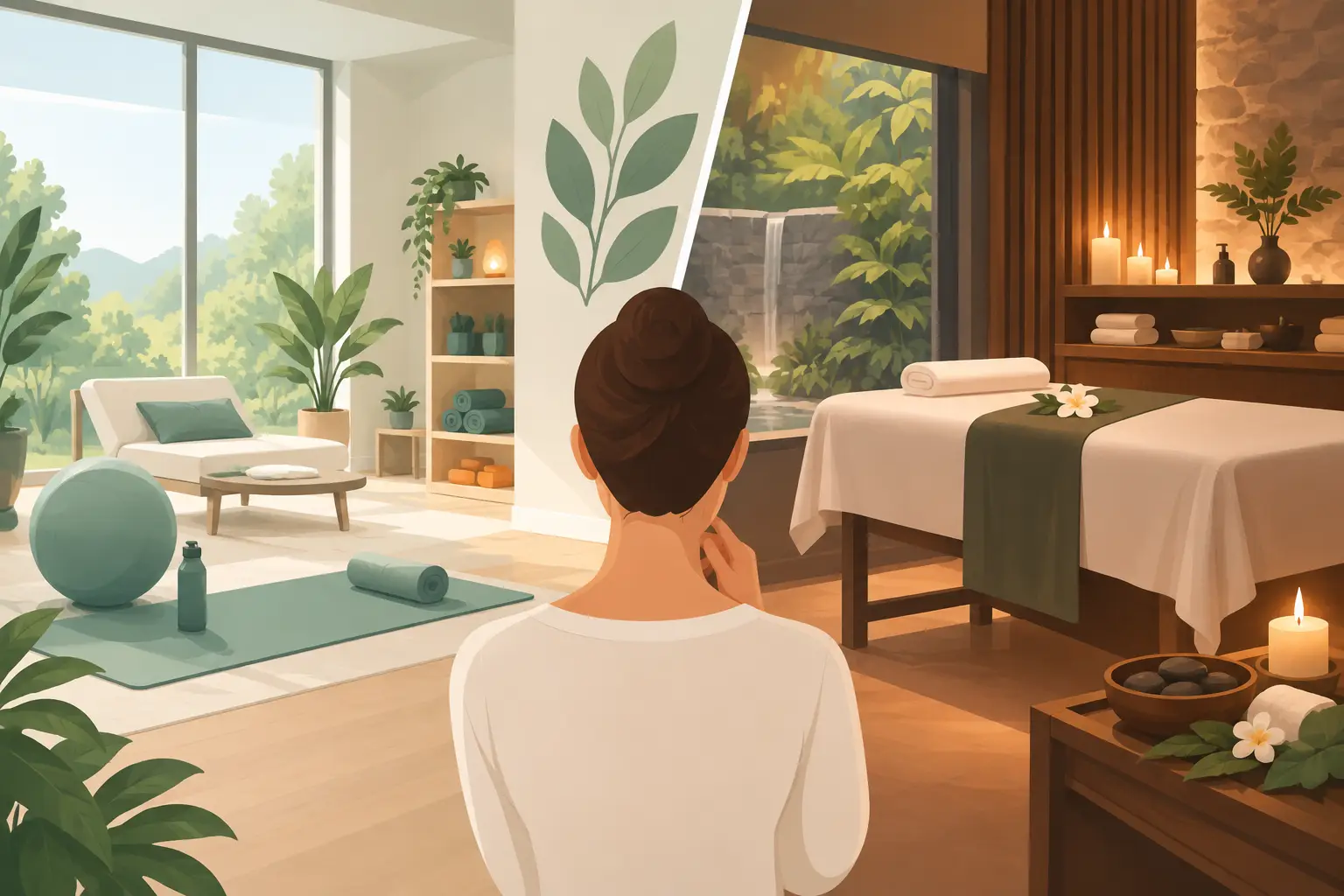
A wellness room versus traditional spa comparison starts with one practical question: does your space support recovery only when someone books an appointment, or whenever they need it? For a hotel guest arriving late, an executive between meetings, or a family managing a demanding routine, access matters as much as atmosphere.
Traditional spas remain valuable destinations for dedicated treatments and extended relaxation. Yet many people now want recovery to fit into everyday life rather than require a separate journey, schedule, and service appointment. That shift is creating demand for private, technology-supported wellness environments that feel refined, natural, and immediately useful.
Wellness Room Versus Traditional Spa: The Core Difference
A traditional spa is primarily a destination. It usually offers a menu of experiences such as massage, sauna, steam, hydrotherapy, facials, and body treatments. Its strengths are ritual, expert human touch, social amenities, and the feeling of stepping away from normal life.
A wellness room is an integrated environment designed for frequent, self-directed use. Rather than centering on one appointment or one treatment, it brings restorative elements into a hotel room, workplace, wellness center, rehabilitation setting, or private residence. The goal is not to recreate every spa service. It is to make calm, regeneration, and sensory comfort available in the places where people already spend their time.
This distinction changes the value proposition. A spa may be the right choice for a long, intentional reset. A wellness room can support short, repeatable recovery moments before sleep, after travel, between work sessions, or following physical activity.
Why Daily Access Is Becoming a Premium Amenity
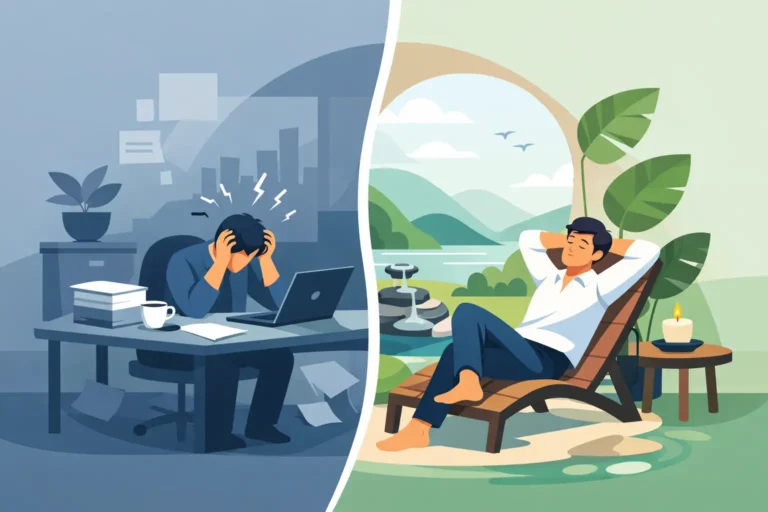
Modern stress rarely arrives on a schedule. It appears after a long flight, a difficult client meeting, a night of interrupted sleep, or hours in front of a screen. When wellness is available only as an occasional outing, it can be difficult to use consistently enough to become part of a preventive health routine.
A well-designed wellness room responds to this reality. It creates a private setting where the environment itself contributes to a more restorative experience. The lighting, air experience, sound level, temperature, and comfort of the room all influence whether a person can genuinely slow down.
For hospitality operators, this can turn an ordinary room into a differentiated guest experience. For office managers, it creates a considered recovery space that respects focus and mental energy. For wellness and rehabilitation professionals, it can add a modern, non-invasive layer to an existing service model. At home, it offers a practical retreat without requiring an entire room to function like a commercial spa.
What a Traditional Spa Still Does Best
The comparison is not about replacing spas. A traditional spa has clear advantages when guests seek hands-on expertise, specialized facilities, or an extended escape. A skilled massage therapist can respond to individual tension patterns in a way no room-based system can. Thermal areas and water-based treatments also provide experiences that require dedicated infrastructure.
Spas can be especially effective when their service model is built around hospitality, therapist expertise, and meaningful time away from everyday demands. For resorts and destination properties, the spa is often an essential part of the reason guests choose to visit.
The trade-off is capacity. Treatment rooms, staff availability, booking systems, operating hours, and labor costs all affect how many people can access the experience. Guests may also hesitate to book a treatment when they have only a short window of time or want privacy.
A wellness room does not carry the same staffing requirements for every use. That makes it a compelling complement for businesses that want to extend wellness access beyond the spa floor.
The Wellness Room Advantage: An Environment, Not a Single Device
A meaningful wellness room should feel coherent, not crowded with disconnected equipment. Its purpose is to bring complementary elements together so the user can settle into a calm, intuitive experience.
HealthWise approaches this through an integrated concept that combines Forest Air’s nature-inspired, light-activated air revitalization with Nircura’s red and near-infrared photobiomodulation technology. The combination is designed around two daily needs that are often overlooked in conventional interiors: the quality of the environment people breathe in and the regenerative support they receive while resting within it.
Red and near-infrared photobiomodulation is widely used in wellness settings as a non-invasive approach intended to support recovery, relaxation, and overall vitality. Individual responses vary, and it should not be presented as a substitute for medical diagnosis or treatment. Its practical appeal is that sessions can be incorporated into a consistent routine without interrupting the day.
The air experience is equally relevant. People often judge a room by how it makes them feel before they can explain why. A fresher, more nature-inspired atmosphere can reinforce relaxation, support a sense of comfort, and help distinguish a premium wellness space from a standard room with attractive decor.
Together, these elements shift the focus from occasional indulgence to a setting that supports breathing, rest, focus, and recovery as part of normal life.
Choosing the Right Model for Your Space
The best choice depends on the purpose of the property and the behavior you want to encourage. A destination spa should continue investing in therapist-led treatments and facilities that guests cannot reproduce elsewhere. A wellness room is most effective when the priority is broad access, privacy, repeated use, and an elevated in-room or on-site experience.
For hotels, the strongest model may be both. The traditional spa creates a high-touch destination service, while selected guest rooms or private wellness suites offer a recovery option at any hour. This is particularly relevant for business travelers, athletes, jet-lagged guests, and visitors who prefer quiet time over scheduled treatments.
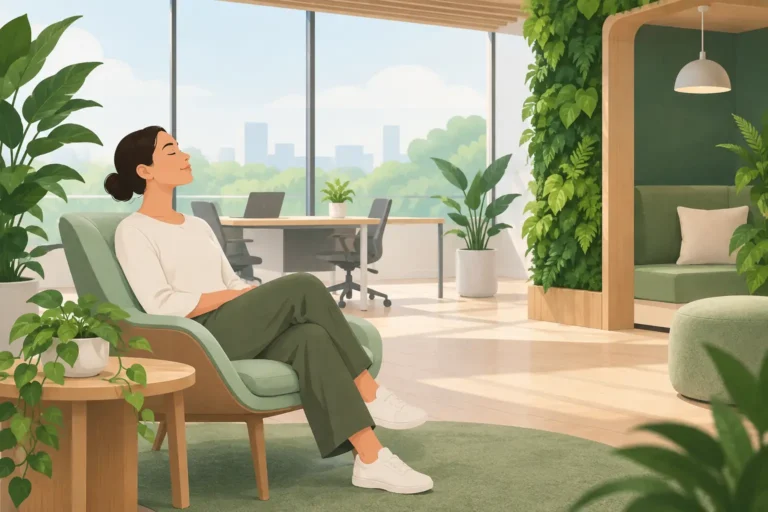
For offices, a conventional spa is rarely practical. A dedicated wellness room, however, can offer employees a place to reset before an important presentation, decompress after intensive work, or take a short restorative break without leaving the building.
For private residences, the decision often comes down to frequency. If a household values regular support for relaxation, sleep routines, respiratory comfort, and post-exercise recovery, an integrated wellness environment may deliver more day-to-day value than occasional spa visits alone.
Questions to Ask Before You Invest
Before selecting either option, assess the experience from the user’s perspective. Ask how often the space will be used, whether privacy is important, who will manage it, and what outcome matters most. Is the goal to create a memorable hospitality moment, support employee well-being, add a premium service for clients, or make healthy recovery easier at home?
Also consider operational reality. Traditional spas require trained staff, appointment management, treatment protocols, laundry, consumables, and ongoing service quality control. A wellness room requires thoughtful planning, clear user guidance, and technology selected for the size and purpose of the space. It may have a simpler daily operating model, but it still deserves professional design and education.
Most importantly, avoid choosing based on visual appeal alone. Premium wellness is not simply a darkened room, a scented towel, or impressive hardware. It is the feeling that a space has been designed around a person’s real need to recover, breathe more comfortably, and return to their day with greater clarity.
A More Flexible Future for Wellness
The wellness room versus traditional spa decision is ultimately about access and intention. Spas create valuable moments of expert care and deep retreat. Wellness rooms extend the opportunity for restoration into the rhythm of everyday environments.
For many premium properties and health-conscious households, the opportunity is not to choose one and dismiss the other. It is to create the right balance: destination-level care when it is needed, and a private, regenerative environment available when life does not leave time for an appointment. The most useful wellness space is the one people can return to often enough for it to become part of how they live and recover.